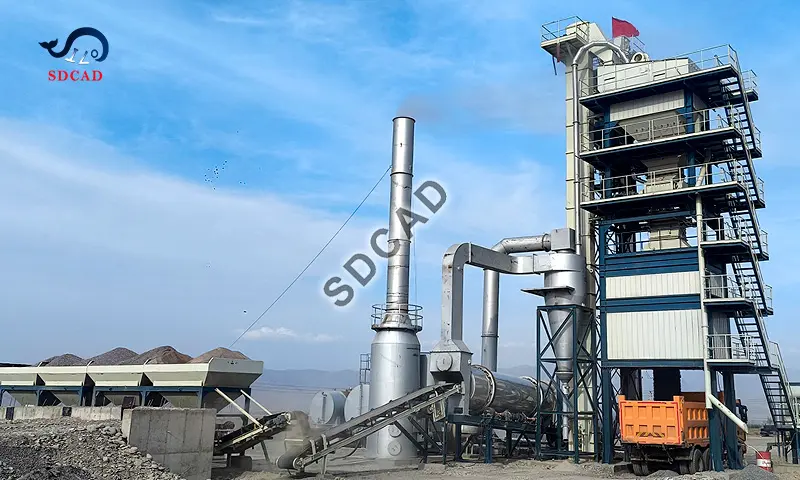
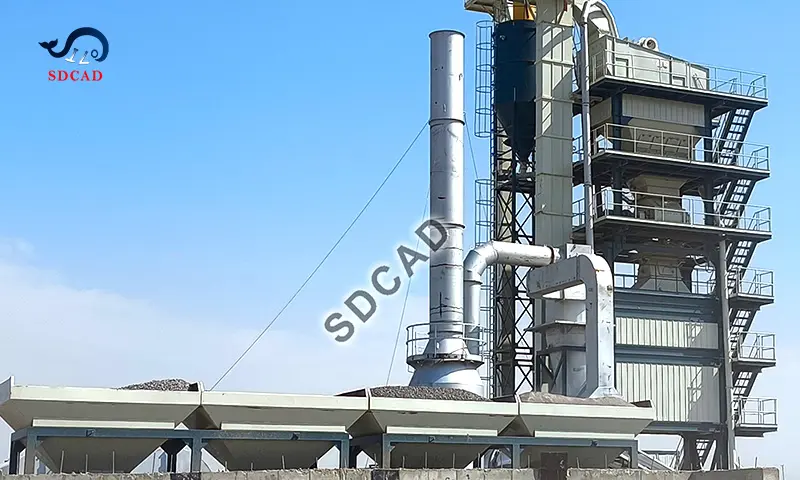
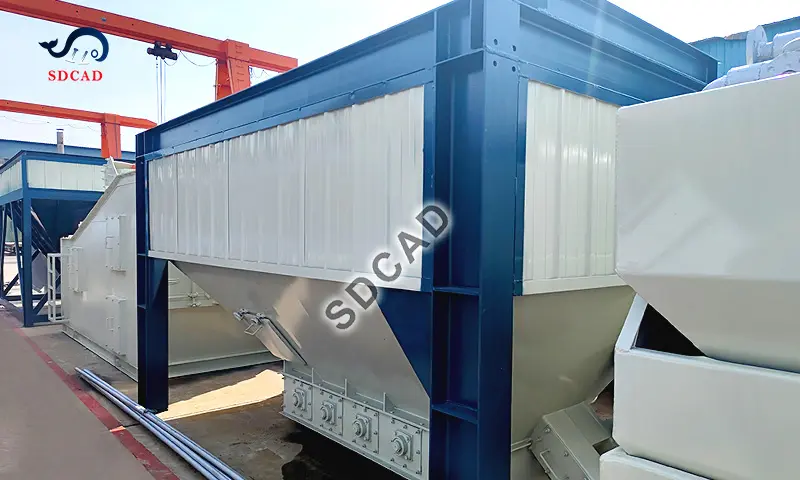
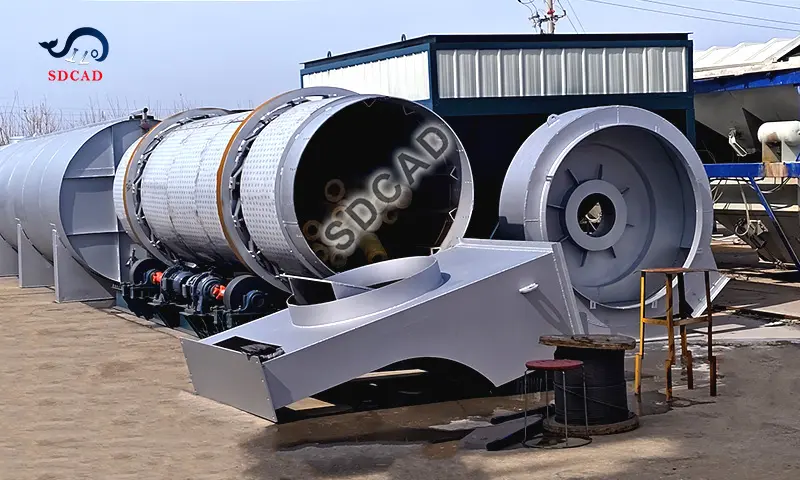
This blueprint approaches São Paulo as the challenging high-volume market that requires adaptable, high-throughput asphalt production, not a cookie-cutter plant. It’s all about a flexible system that can shuttle between packed city jobs and stretched highway stretches while maintaining excellence, batching precision, and carbon footprint on a short leash.
Tailored Configuration
The design revolves around a partially subterranean bulk storage area that suits tight urban sites and functions on outlying freeway lots.
Core components are sized around anticipated daily tonnage for São Paulo’s ring roads and arterial upgrades, with modular choices ranging from mid-range output for urban maintenance to bigger-capacity lines for huge concessions. The plant can manage fluctuating aggregate gradations, even highly abrasive basalt, with hardfaced liners at transfer points and variable-frequency drives on feeders to maintain flow when product shape and moisture change following a downpour.
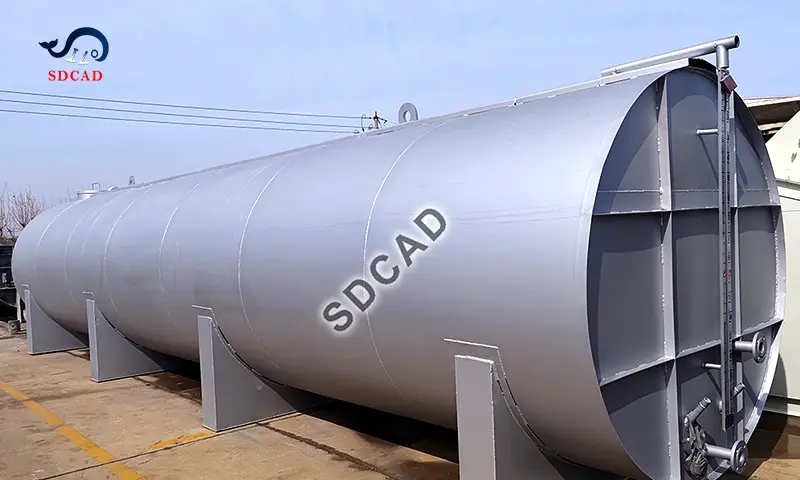
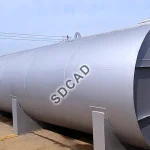
Specialized storage encompasses bolted cement silos for local concrete batching and insulated bitumen tanks sized for both ready and warm-mix asphalt. Feeding systems employ belt weighers and ultra-precise infrared humidity sensors so the control system can adjust for moisture fluctuations on the fly.
Control design integrates with existing site SCADA or MES platforms via open protocols. Operators receive a centralized console with recipe libraries, bilingual interfaces, and user roles, so plant managers in São Paulo can sync shift reports, energy consumption, and production logs with enterprise systems. No manual data entry is required.
Core Technologies
At the heart of the plant, intelligent batching systems track each material stream with tight tolerances. Aggregate dosing is held within plus or minus 1.2 percent, while asphalt and additives stay within plus or minus 0.6 percent. This helps keep mix design within specifications even when job requirements change during the day.
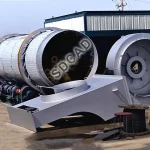
Heating and mixing utilize high-efficiency burners, fully insulated drums and high-torque shaft mixers. Intelligent temperature control modules monitor both aggregate and binder temperatures, modulate burner output and coordinate with the mixer dwell time, so warm-mix asphalt recipes can run at lower temperatures while still achieving the appropriate workability and compaction targets.
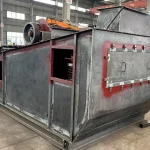
Dust removal has multi-stage filters and enclosed transfer points to minimize particulate emissions near residential areas. Emission control modules monitor stack parameters and alert irregularities before they become regulatory concerns. That’s a big deal in a town where plants grow side-by-side with warehouses, schools or offices.
Smart material replenishment systems read silo levels and schedule refills to prevent line stoppages, which goes great with São Paulo’s frequently congested logistics. By connecting level sensors, truck arrival schedules, and production plans, the system prevents idling and unforeseen downtime.
Mobility Features
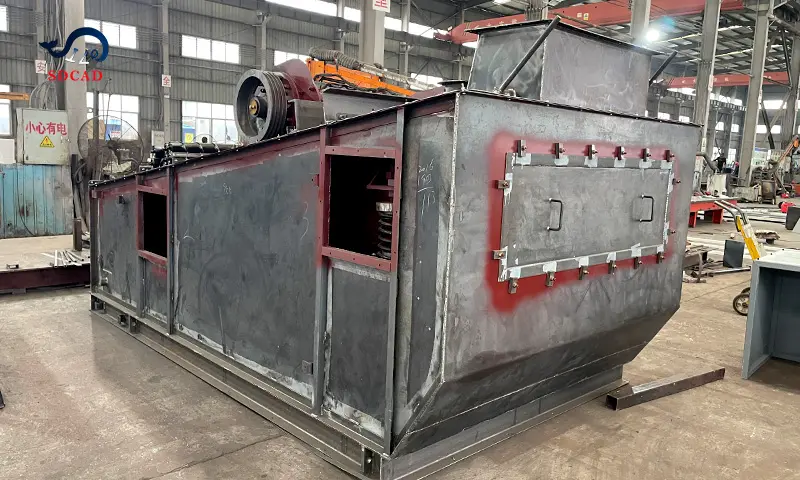
The plant employs a modular frame that disassembles into transport units sized for ISO sea containers, which is convenient for import routes and for long overland journeys across Brazil. Structural components, wiring harnesses, and piping are classified into modules that can be repeated so building up and taking apart have distinct and brief educational curves for local teams.
For short hops between city wards or between highway segments, large modules load flatbed or local dump trucks with quick-connect bases and shallow concrete works. Flexible layout options accommodate L-shaped or linear site configurations, so contractors can adjust to unusual plots of land, shared depots or narrow strips adjacent to existing roads.
Additional unloading ramps and customizable access points assist when multiple contractors occupy the same plant or truck fleets differ in size and axle configurations. All of our systems are designed for rapid installation with minimal land impact, utilizing shallow foundations, limited excavation and semi-underground bins that can be cleanly backfilled at the conclusion of a project.