Asphalt Mixing Plant

Asphalt Mixing Plant

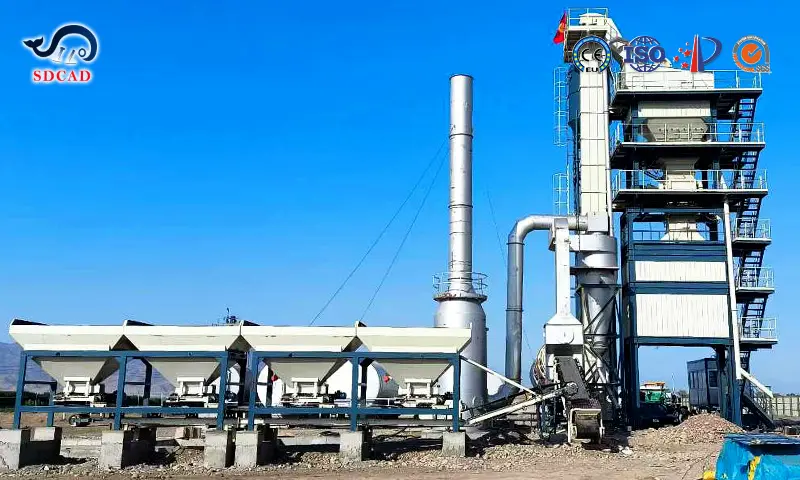
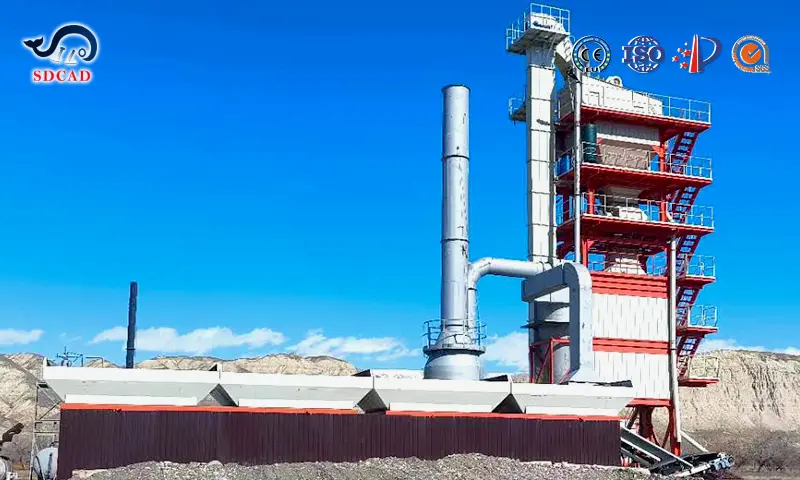
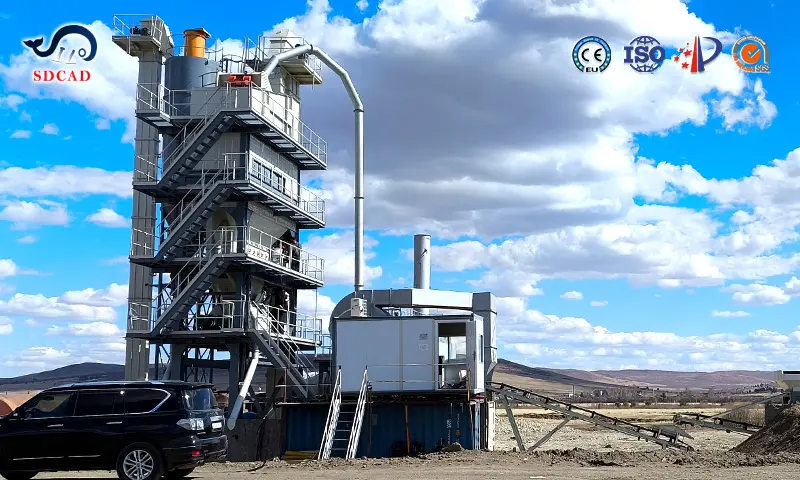
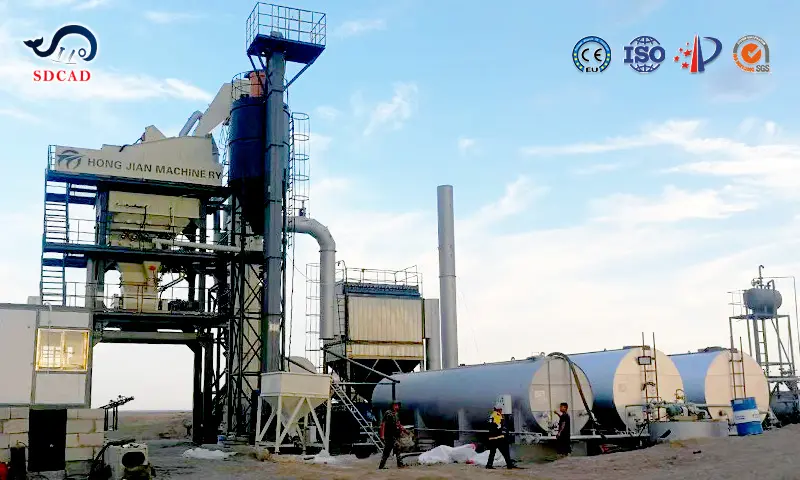
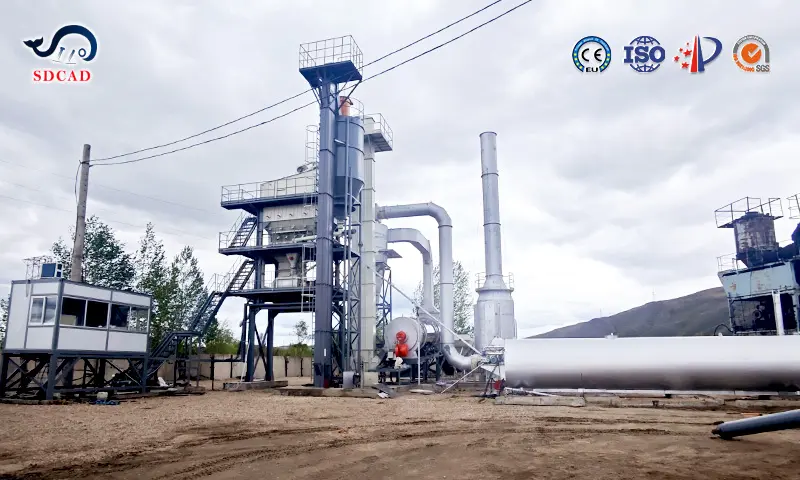
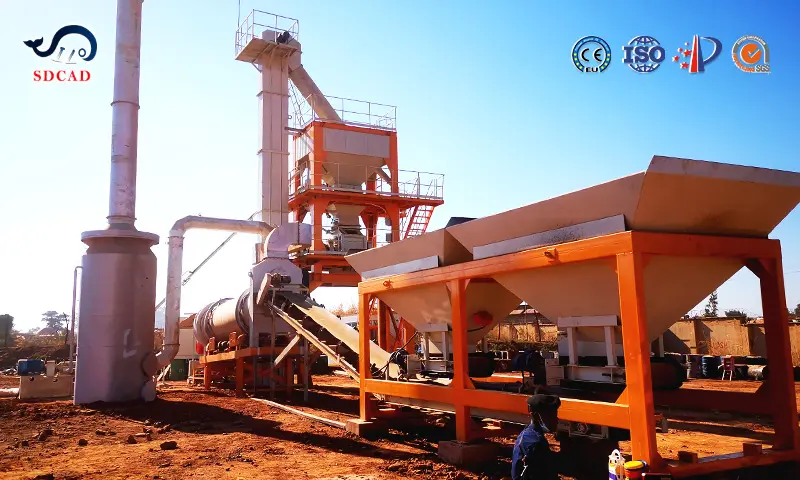
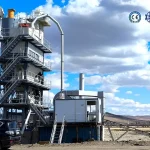
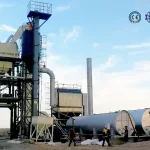
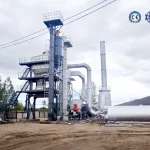
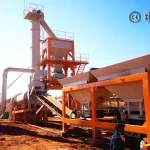
The asphalt plant is mainly composed of a cold aggregate supply system, drum dryer, coal burner, coal feeder, dust collector, hot aggregate elevator, vibrating screen, filler supply system, weighing and mixing system, Pollution Control Unit, asphalt storage, and bitumen supply system. All these components have characteristics that impact not only the overall quality of the asphalt but also the plant’s effect on the environment.

Capacity: 20t/h – 400 t/h

⚒️ISO, CE, EAC     ⚒️12-month Warranty     ⚒️7*24H Response

Product Specifications

Model LB500 LB800 LB1000 LB1500 LB2000 LB3000 LB4000
Capacity 40t/h 64t/h 80t/h 120t/h 160t/h 240t/h 320 t/h
Mixer 500kg 800kg 1000kg 1500kg 2000kg 3000kg 4000kg
Dedusting method Wet Wet Wet/Bag Wet/Bag Wet/Bag Wet Wet
Main power 150kw 185kw 245kw 350kw 450kw 650kw 750kw
Asphalt tank 25-200t
Heating Burner Coal /Diesel/Heavy oil/Natural gas

What is Asphalt Mixing Plant

An asphalt mixing plant is a machine that mixes sand, gravel, bitumen, and filler to create hot mix asphalt for road construction and repair. These plants are either small or big, working in small road projects.

Primary plants are batch mix and drum mix, both heating and mixing the components in their own fashion. They have output rates and plant sizes to fit many needs, from city streets to highways. Many modern plants deploy technology to reduce waste, decrease energy consumption, and maintain air quality.

Ⅰ. Knowing the basics of asphalt mixing plants allows you to optimize economical and quality asphalt production for different construction requirements.

Ⅱ. From sizing and moisture control, through storage and weighing, proper aggregate management is the key to achieving consistent mix quality and operational efficiency.

Ⅲ. Choosing your type of mixing plant, be it batch or drum, is based on project scope, required customization, portability, and budget.

Quality Certifications

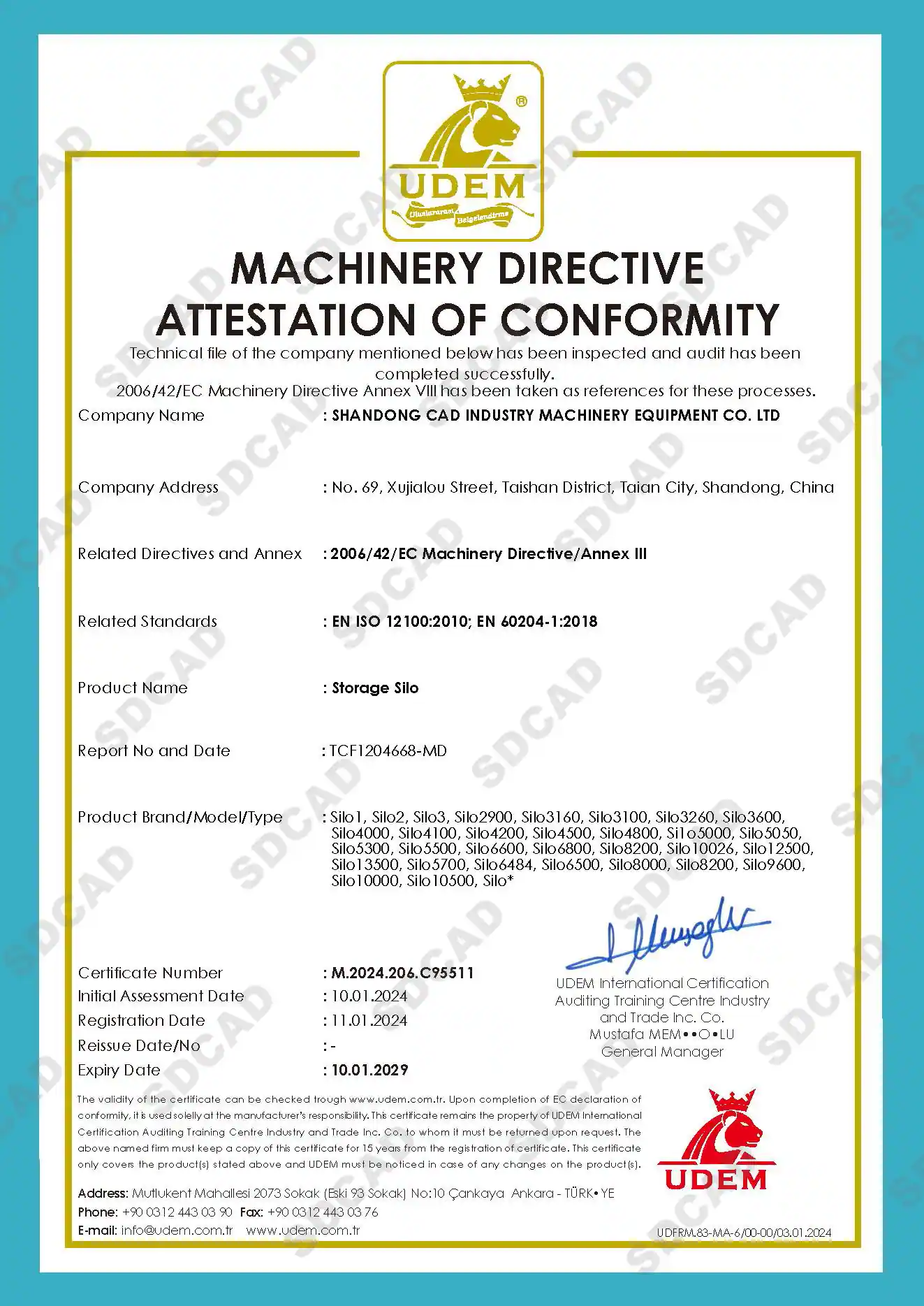
CE Marking Certification

CE Marking

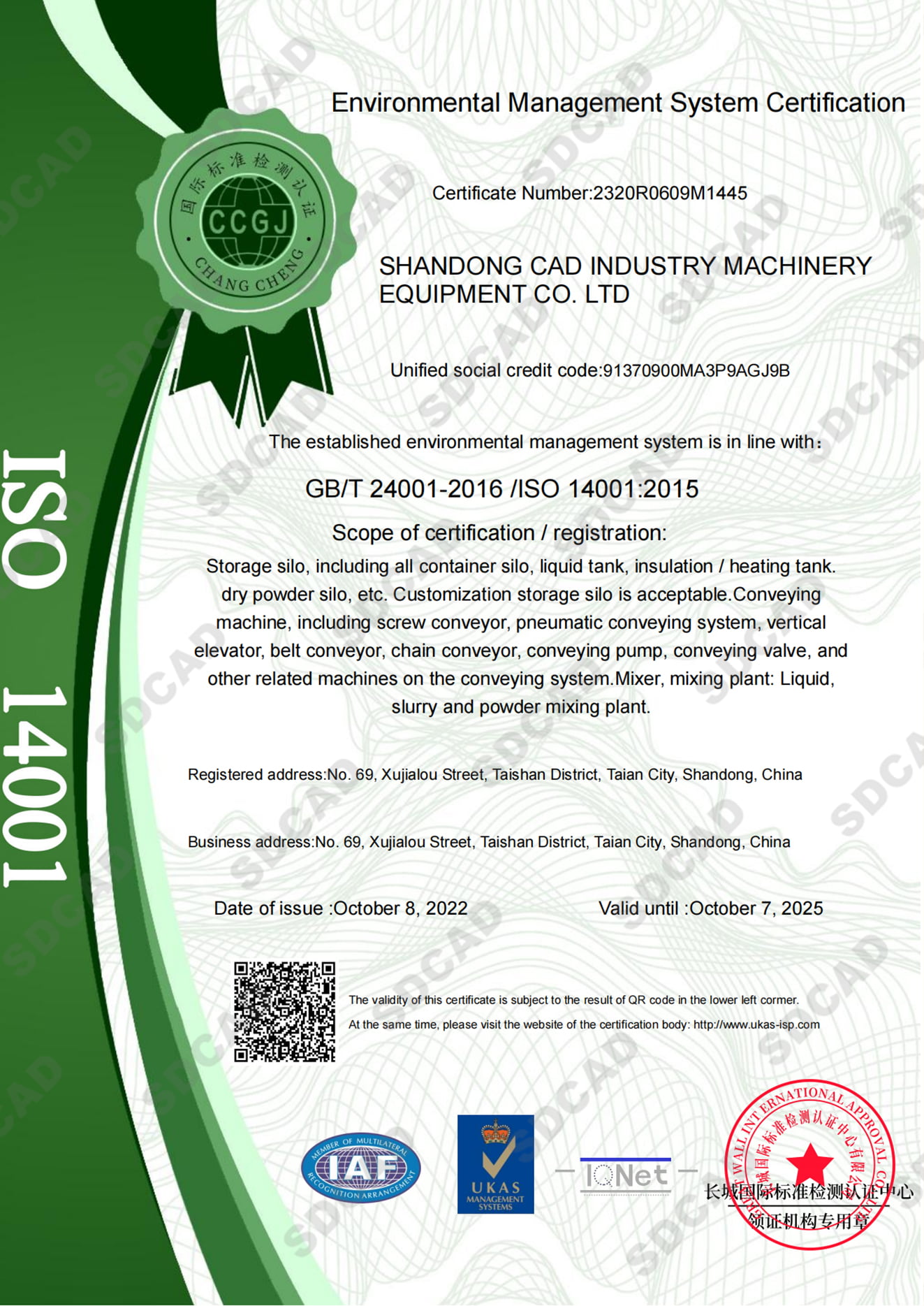
ISO-Environment

ISO-Environment

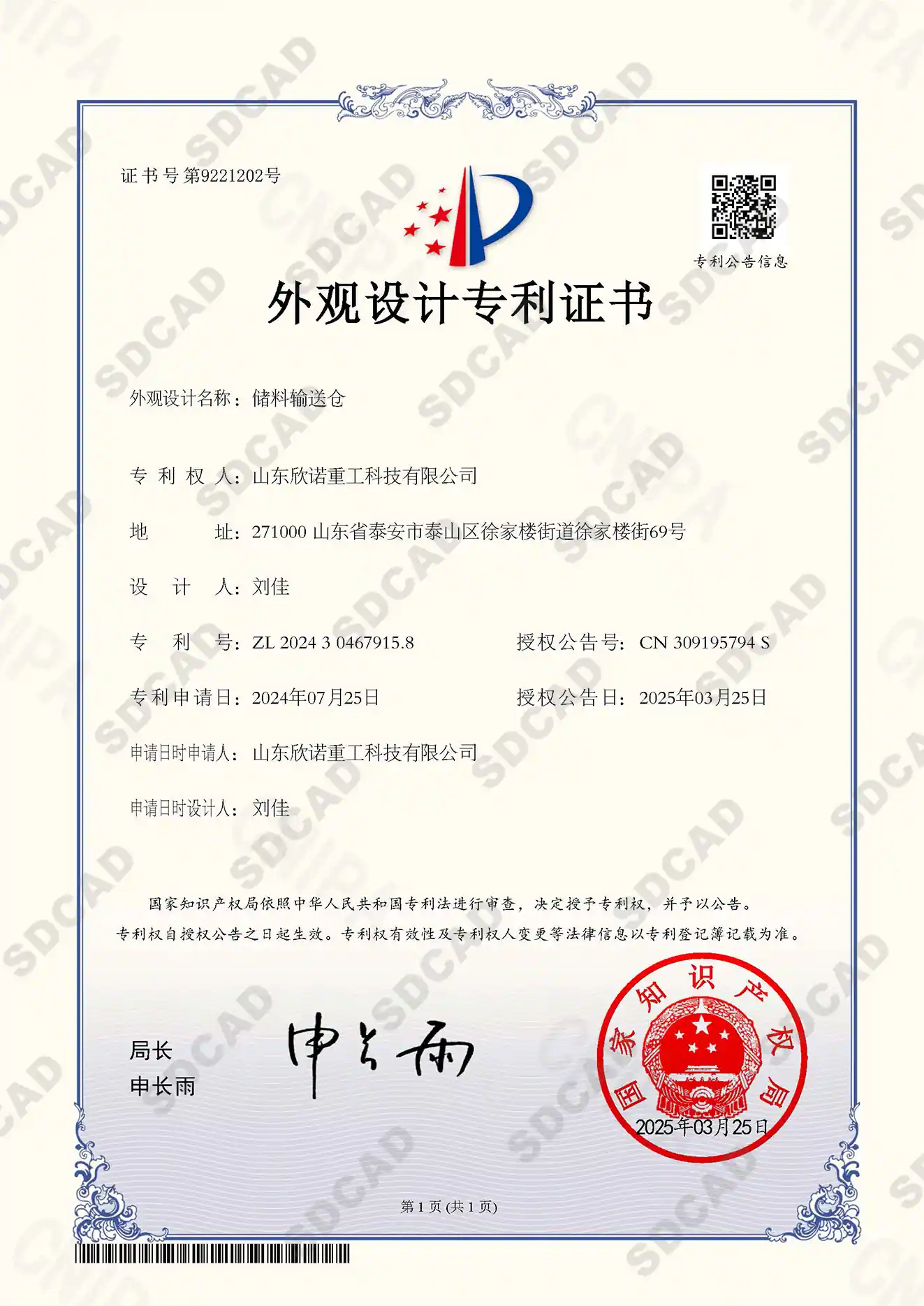
Patent Certificate

Patent Certificate

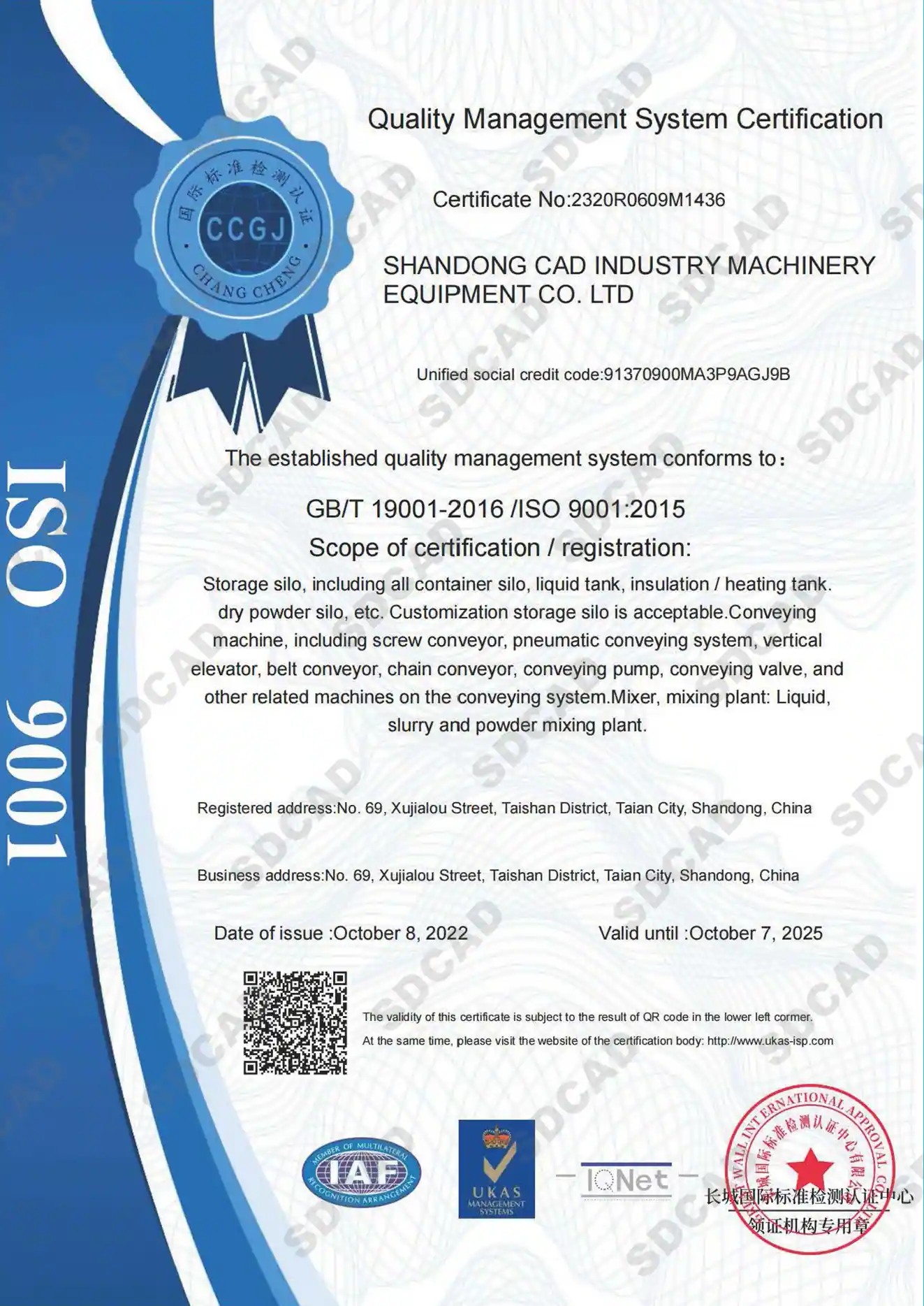
ISO 9001:2000 Quality Management Certification

ISO 9001:2000

Choosing Your Plant

When it comes to choosing your asphalt mixing plant, it’s all about understanding core project requirements, plant variations, and company objectives. Thoughtful evaluation determines your plant’s alignment with today and tomorrow’s needs, from batch versatility to mobility to expense management. The right choice makes a difference in efficiency and quality and long-term return.

Project Scale

Project scale determines how much asphalt you’ll require and how quickly. Pick your plant. Small projects, such as local roads or parking lots, lend themselves to compact batch plants that give you more control over each batch. Larger infrastructure jobs, like highways, require more capacity. Continuous or drum mix plants are needed to keep up with bigger demand.

When work differs, versatility is key. Certain plants allow you to change capacities or swap recipes quickly, which is useful when you’re managing projects of varying scales. For example, a city streets and expressways contractor may select a batch plant because of its mix options and convenient changeover from job to job.

A firm in Europe used a batch plant for city roads, then scaled up to a drum mix plant when expanding to regional highways, showing how plant choice adapts to workload.

Mobility Needs

Mobile asphalt plants excel when you must relocate from location to location, in particular, for those remote or short-term projects. They arrive on trailers or modules, simple to assemble and dismantle.

Non-mobile plants remain in place, perfect for sustained, high-output requirements close to consistent demand. Mobile plants sacrifice some capacity for speed and convenience. Logistics matter: moving a mobile plant means planning for transport, permits, setup, and sometimes extra staff.

As one example, a company paving low-volume roads in South America selected a mobile batch plant to access isolated locations and reduce hauling distance and expense.

Quality Specifications

1.Whether local, national, or international, the asphalt has to reach industry standard.

2.Norms determine raw material selection and processing stages, impacting the final item.

3.Batch plants for upper control with demanding specs, drum mix plants for run-of-the-mill roads.

4.Quality control systems, such as automated sensors and routine lab tests, maintain uniformity and safety in mixes.

Budget and ROI

Buying and operating a plant requires significant investment. Initial cost, maintenance, and education all contribute. ROI is all about output. Waste, maintenance, and payback period are key factors. Effective plants are more expensive initially, but they are more fuel efficient and reduce downtime during the life of the apparatus.

Leasing or financing can assist, bringing plants more within reach of small and mid-sized companies. Consider long-term savings and payback time before selecting a model.

Frequently Asked Questions

What is an asphalt mixing plant?

Asphalt mixing plant is a plant that mixes aggregates, sand, filler and bitumen to make asphalt for construction. It guarantees stable quality and effective production.

What are the main types of asphalt mixing plants?

The two main types are batch mix plants and drum mix plants. Batch plants create asphalt in batches and drum plants operate continuously, which is more efficient.

How does automation benefit asphalt mixing plants?

Automation enhances precision, minimizes human error and boosts efficiency. Digital systems make it easier to monitor, collect data and control the entire production process more precisely.

What factors should I consider when choosing an asphalt mixing plant?

Think about production capacity, space, energy, environmental regulations, and the projects you work on. These things assist in aligning plant capabilities with your own requirements.

How do asphalt mixing plants minimize environmental impact?

Modern plants incorporate dust collectors, noise reduction systems, and energy efficient technology. These options assist with emission reduction and compliance with rigorous regulations.