Classified by core dimensions such as mobility, structural form, and unloading method, the mainstream types and their characteristics are as follows, adaptable to different construction scenarios and material requirements:
1. Classification by Mobility (Most Commonly Used Classification)
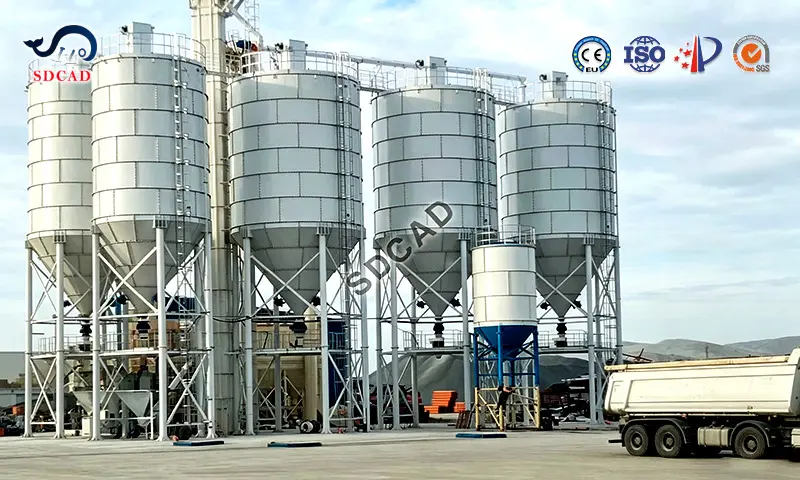
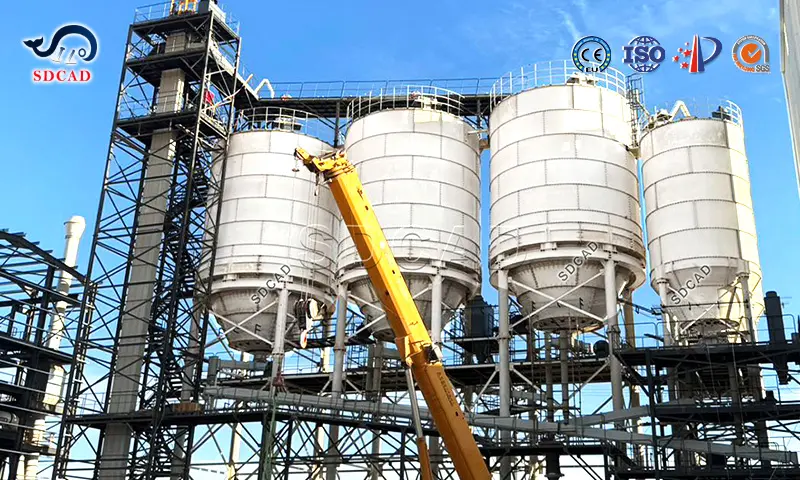
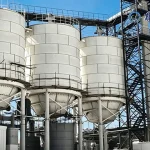
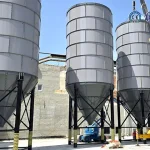
Fixed Cement Silos: The silo body is fixedly connected to the concrete foundation, with a large volume ranging from 50 tons to 2000 tons. It features excellent sealing performance and stable operation, ideal for long-term fixed production scenarios including commercial concrete plants, asphalt mixing plants and cement product factories.
Mobile Cement Silos: Fitted with steel support frames, traction devices and adjustable outriggers, this type has a relatively small capacity of 20 tons to 100 tons. It can be integrally transported without pre-built foundations, perfectly matching flexible construction demands like temporary outdoor sites and road maintenance projects.
2. Classification by Structural Form
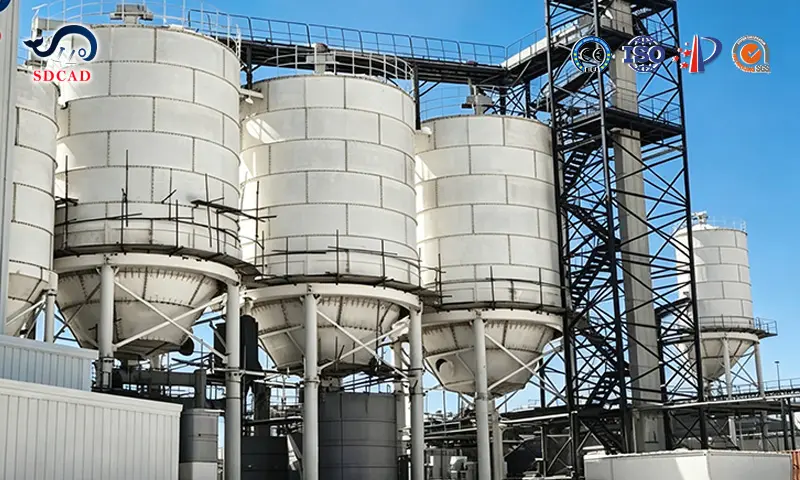
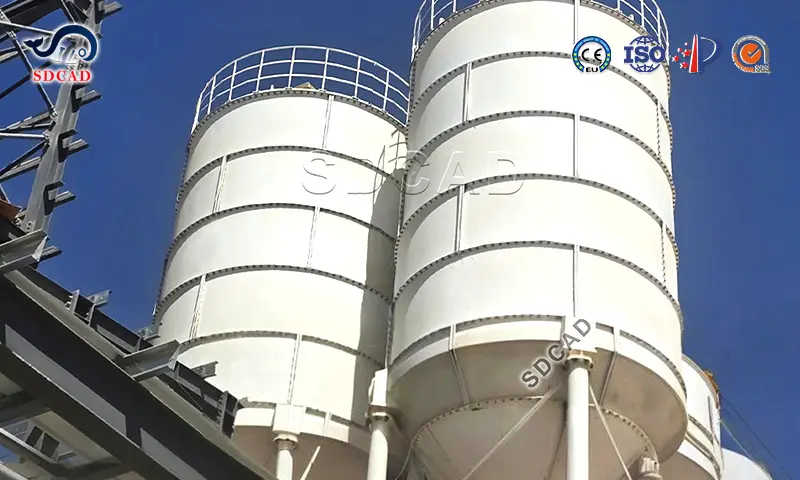
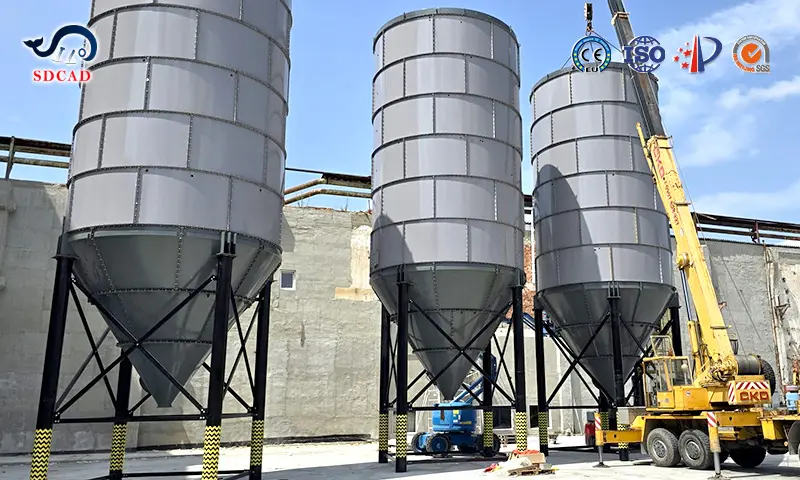
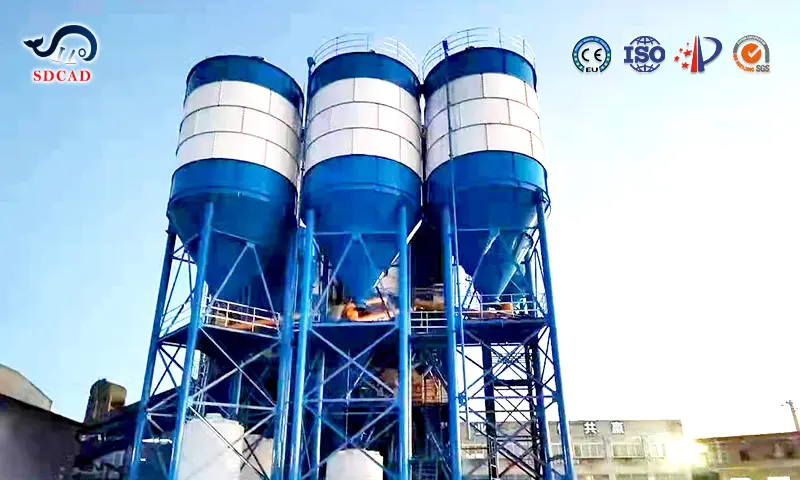
Vertical Conical Bottom Cement Silo: It is the most widely used style. Adopting cylindrical tank body and conical bottom with a cone angle of 30° to 60°, it realizes self-weight material discharging. Featuring simple structure and high discharging efficiency, it fits the storage of most common powdery raw materials.
Horizontal Cement Silo: Designed as a horizontal cylinder equipped with bottom screw conveyors, it saves much floor space and supports stacked installation. It is the preferred choice for sites with narrow space constraints, while its conventional capacity is limited between 10 tons and 80 tons.
Assembled Cement Silo: Its tank body is spliced by standard steel plates, enabling disassembly and split transportation. It is perfectly applicable for projects requiring super-large storage capacity above 500 tons, as well as construction areas with harsh traffic conditions such as mountainous and remote regions.
3. Classification by Unloading Method
Gravity Unloading Cement Silos: Built with conical bottom structure to achieve self-weight discharging. Matched with manual or pneumatic unloading valves, they are cost-effective and mainly used for well-flowing powdery materials such as cement and fly ash.
Screw Unloading Cement Silos: Installed with bottom screw conveyors to complete forced material discharge. They are specially designed for poor-fluidity and easy-caking materials like mineral powder and stone powder, and also compatible with horizontal cement silos and silos with small cone angles for smooth feeding work.