The classification of Welded Silos revolves around three core dimensions: “stored materials, structural form, and processing and installation method.” All types adhere to the core principle of “welded forming,” with structural and process optimizations made only according to specific scenario requirements. The mainstream types and their characteristics are as follows, adapting to the differentiated needs of various industries:
1. Classification by Stored Material Type (Most Practical Classification)
Welded Powder Material Silos
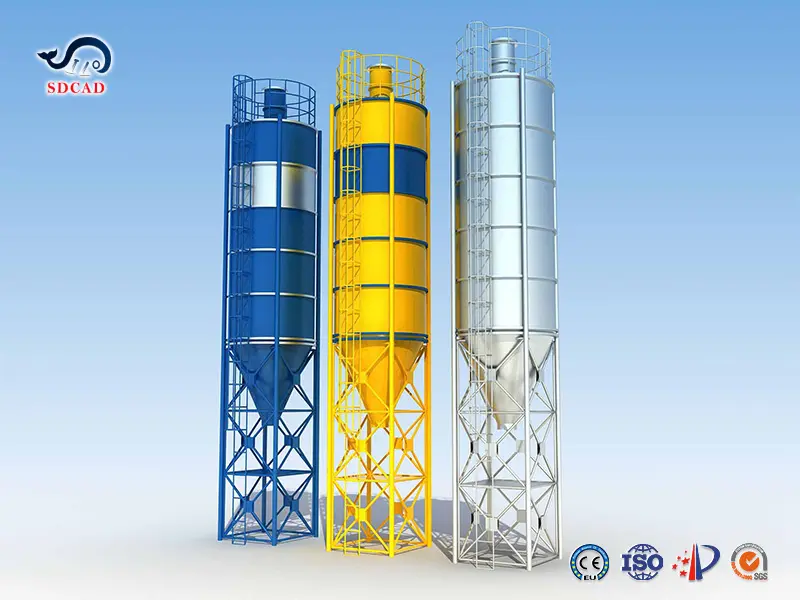
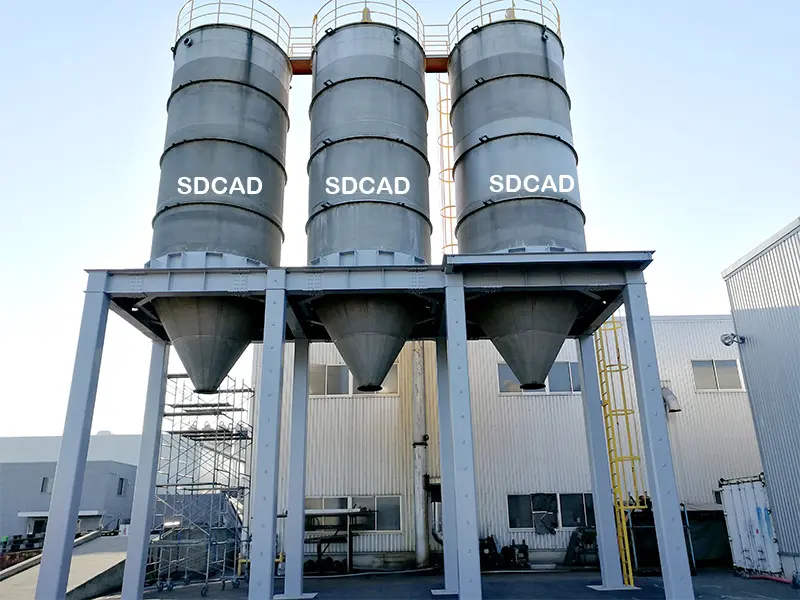
The most mainstream type. The silo body is mostly a vertical conical bottom structure with smooth inner walls. It is fully welded and sealed in the factory, fitted with anti-arch devices like vibrators and pneumatic anti-arch valves as well as pulse dust collectors. Ideal for powdery materials including cement, fly ash and mineral powder, it effectively prevents materials from absorbing moisture, caking and producing dust, and is widely applied in infrastructure construction.
Welded Granular Material Silos
It adopts vertical flat-bottom or inclined-bottom structure, and anti-slip baffles can be welded inside the silo. The discharge end is matched with scraper or belt conveyor, so arch breaking devices are unnecessary. Designed for sand, gravel, grain, ore particles and other granular materials, it focuses on smooth and unobstructed material discharging, commonly used in agriculture, mining and port logistics.
Welded Liquid/Paste Material Silos
Made of stainless steel or anti-corrosion carbon steel via high-pressure airtight welding process, all finished products must pass strict leakage detection. It can be equipped with internal stirring systems and pressure discharge pumps, perfectly suitable for storing chemical solvents, grease, asphalt and other liquid and pasty materials. This type demands the highest welding accuracy and overall sealing performance.
2. Classification by Structural Form
Vertical Welded Silos
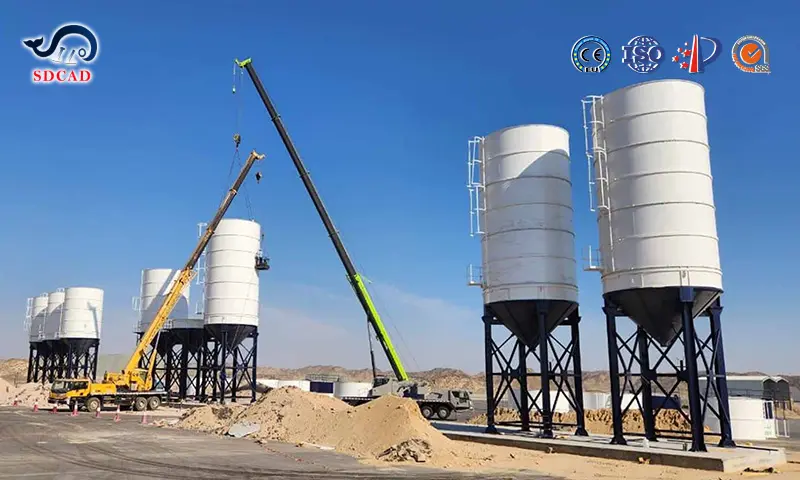
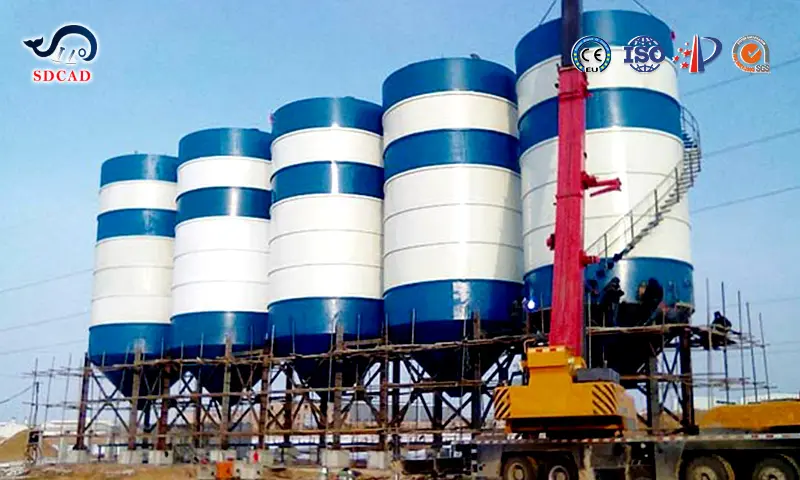
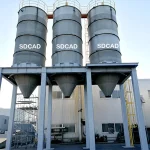
The most popular style with cylindrical body and far greater height than diameter. It features small floor space and large storage volume, available with cone bottom or flat bottom design. It is applicable to most industrial and construction fields such as mixing plant cement silos and bulk grain silos. Strict verticality calibration is required during welding to guarantee overall structural safety and stability.
Horizontal Welded Silos
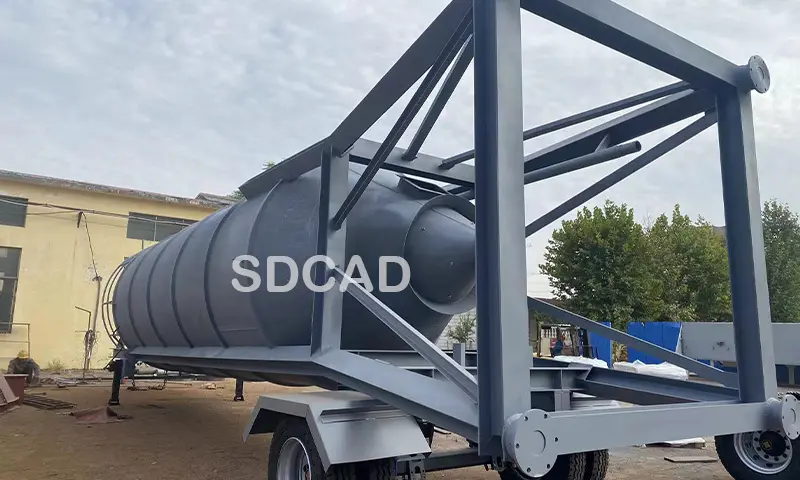
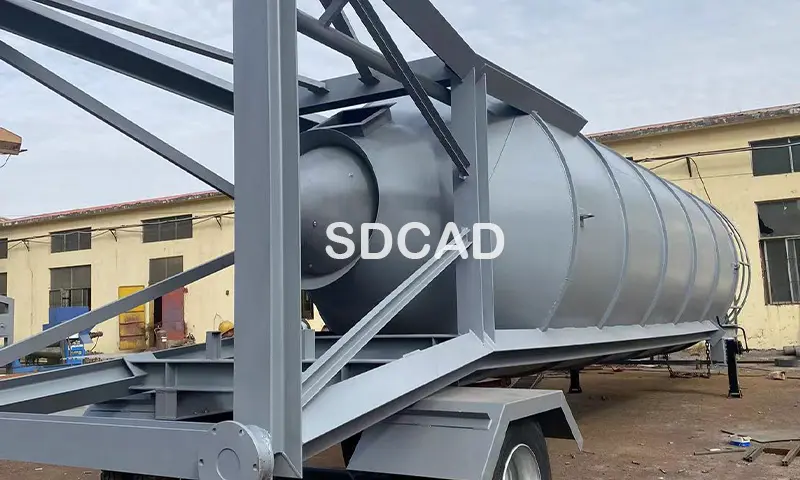
With horizontally placed cylindrical structure and integral factory welding, it is equipped with screw discharge equipment. It does not need large hoisting space and complicated on-site installation, which fits medium and small projects with narrow construction conditions, such as small construction sites and farm feed storage. Its conventional storage capacity ranges from 10 tons to 80 tons.
Irregularly Shaped Welded Silos
Custom non-standard structures including square, polygonal and multi-layer styles can be designed according to actual site space limits. Manufactured with professional welding fixtures for high precision, they are mostly used in confined working environments like port yards and factory workshops. They are highly customized with relatively complicated production procedures.
3. Classification by Processing and Installation Method
Integral Welded Silos
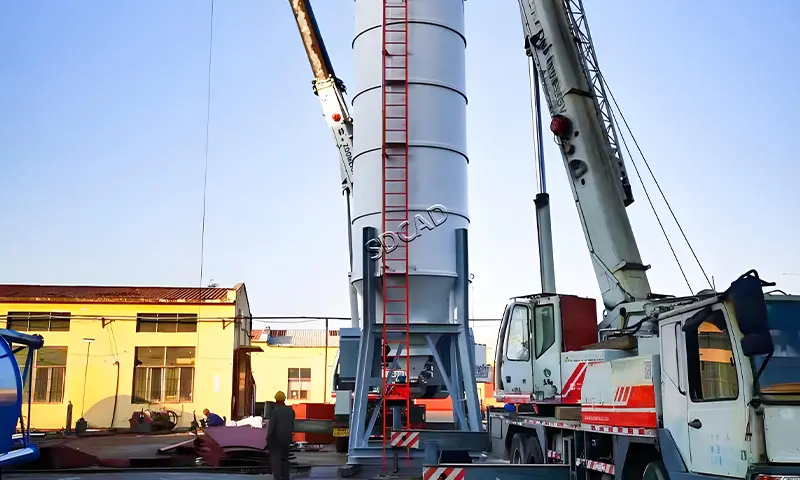
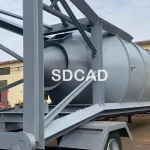
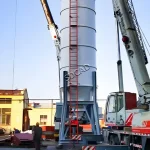
Whole silo body finishes welding, anti-corrosion treatment and sealing test in the factory in advance. It can be directly lifted and positioned on site without secondary welding work, realizing extremely fast installation progress. It is mainly used for small-capacity storage demands below 200 tons with convenient transportation conditions, such as mini mixing stations and farm grain warehouses.
Segmented Welded Silos
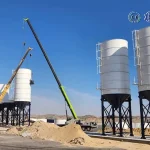
For large-specification silos over 300 tons with super large height and diameter, the whole silo is divided into two or more sections for separate factory welding production. After being delivered to the construction site, each section is assembled by flange connection plus auxiliary on-site welding. This design balances solid structural rigidity and convenient long-distance transportation, which has become the preferred solution for large concrete mixing plants and bulk material transit silos at ports.
To sum up, diversified welded silo types can fully cover low-capacity household storage, medium-sized industrial stockpiling and large-scale bulk material centralized storage projects. Users can select the most suitable welded silo model according to actual storage materials, site space, tonnage demand and transportation conditions, so as to achieve cost-effective and stable bulk material storage.