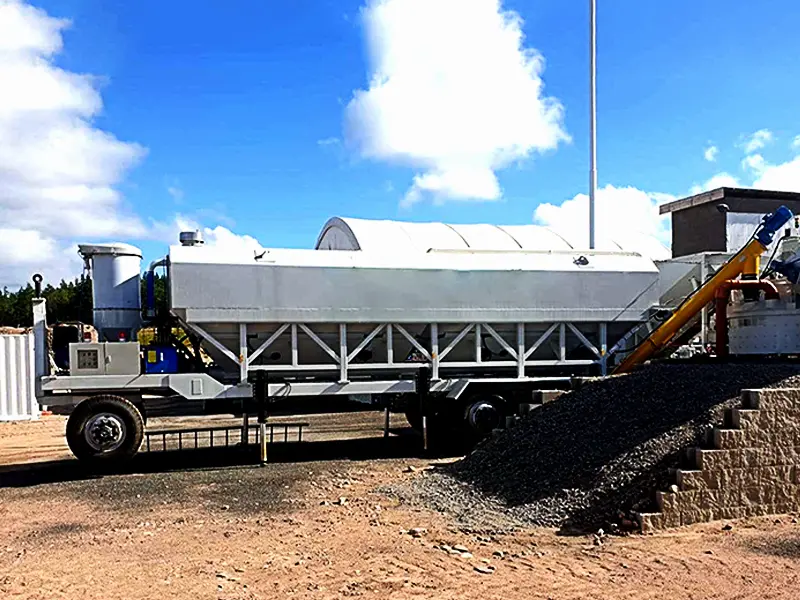
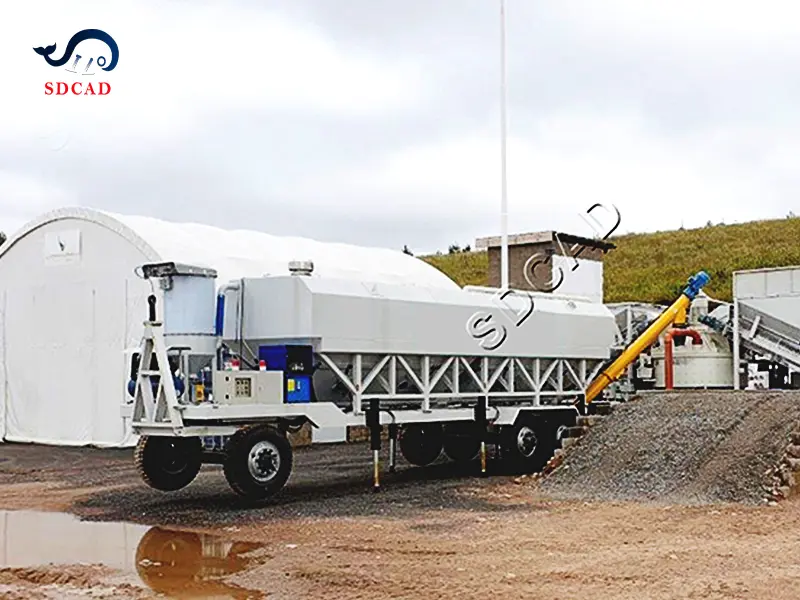
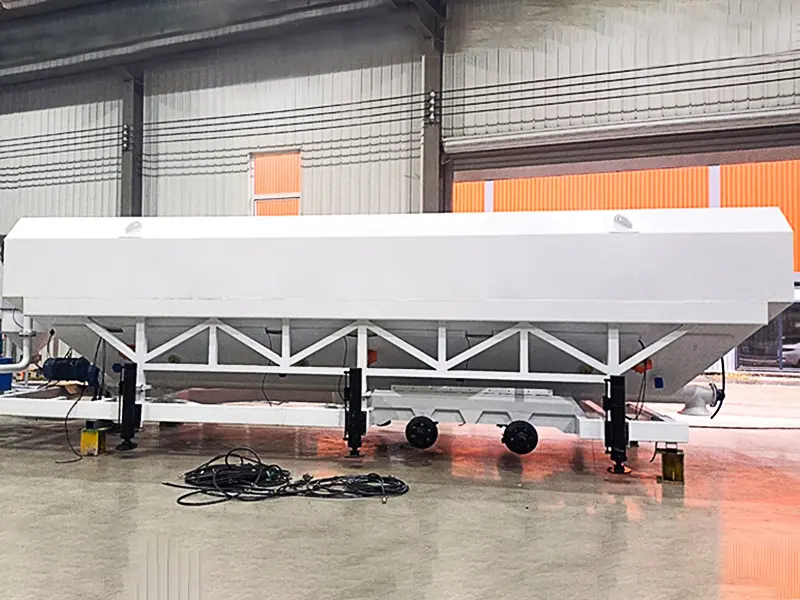
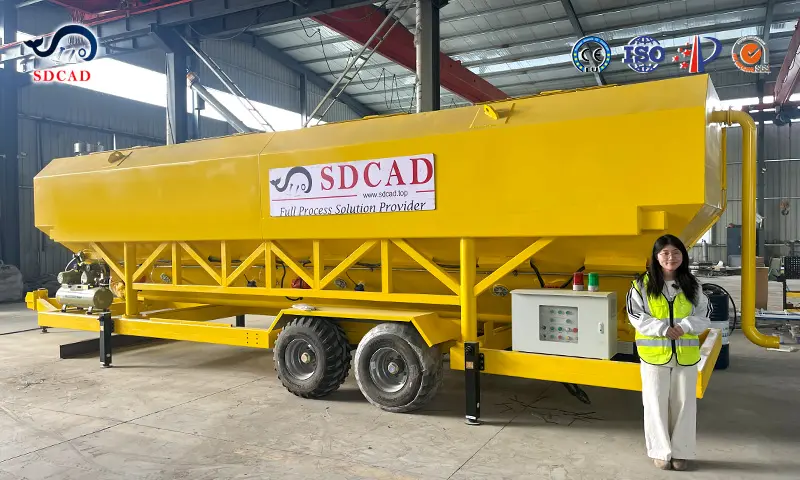
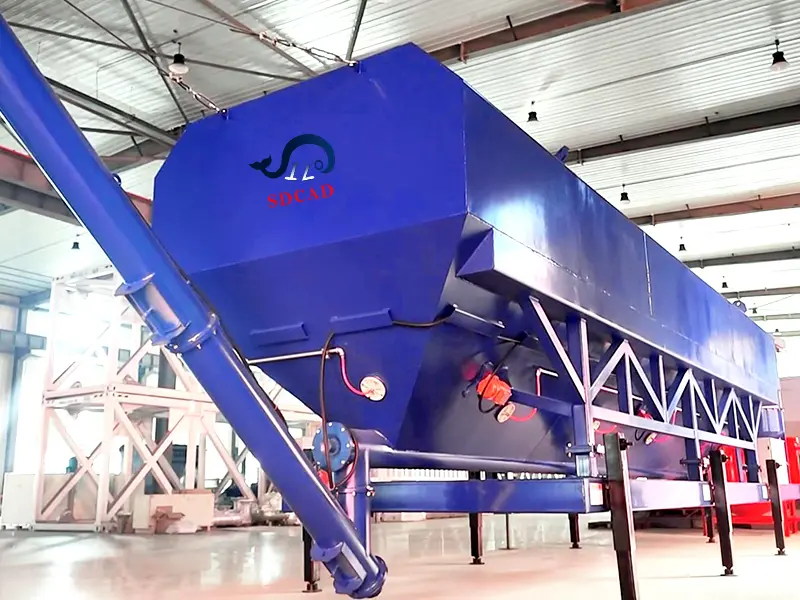
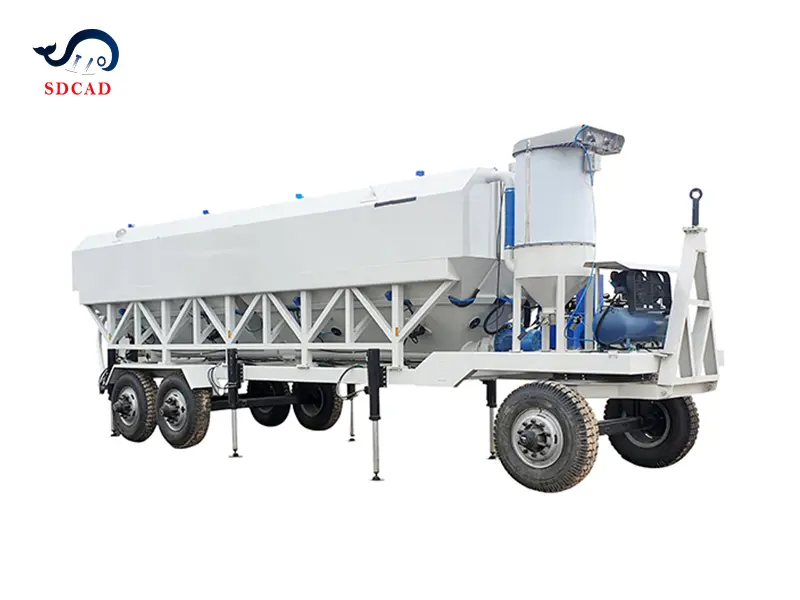
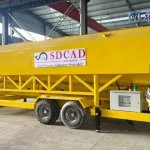
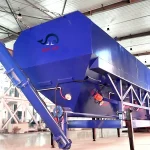
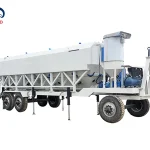
Type: Container silo, Horizontal storage tank put in container. Bolted silo Big volume
| Machine Type | Powder silo | Power Type | Electric |
| Warranty | 2 Years | Machinery Test Report | Provided |
| Core Components | PLC, Engine, Bearing, Motor, Gear | Video outgoing-inspection | Provided |
| Brand Name | SDCAD | Power(W) | Based on model |
| Place of Origin | Shandong, China | Weight | 12000 kg |
| Dimension(L*W*H) | 1200*243.8*286.6cm | Product name | Horizontal Cement Silo |
| Optional volume | 35t, 50t, 70t, 80t, 100t and 120t | Application | Bulk Storage |
| Feeding method | Jumbo bag or bulk | Unloading mode | Screw/bucket elevator/belt,conveyor screw is commonly used |
| Transportation | SOC/COC 40HQ container | Accessories | Dust collector, safety valve, level indicator, screw, bulk head |
| Can it be moved? | We have mobile styles to choose from, please contact us! | 20GP silo size | 6058*2438*2591 mm |
| 40HQ silo size | 12200*2438*2895 mm | ||
Horizontal cement silos are low, portable storage tanks for bulk cement. Unlike tall vertical silos, they fit in small spaces and are easy to move. They are widely used on construction sites for steady cement supply.
These silos need little vertical space, so they fit under overhangs or near buildings in tight urban areas. Their low center of gravity prevents tipping and boosts safety. The compact shape saves space and does not block views on site.
Most are trailer-mounted or have support legs for quick setup. Moving them only needs a truck and flat ground—no cranes required. They work well for remote or multi-site jobs, like road construction, cutting wait times and keeping projects on track.
Built-in screw conveyors and gravity keep cement flowing evenly, reducing clogs. The angled inner cone ensures steady discharge, which is key for quality concrete mixing. Even large silos deliver consistent cement batches.
Horizontal silos need less height but more floor space, and no special wind/lightning protection. They are easier to clean, maintain and install (only flat ground and simple anchors needed). Vertical silos need deep foundations and extra permits, for fixed, high-volume use. Horizontal silos are more flexible for fast-changing projects.
Horizontal cement silos provide operational advantages that solve common construction and infrastructure headaches. They’re valuable because of the way they customize, deploy, and function, enabling teams to be more efficient and stay on track.
Ⅰ. Get the most out of limited site space even in dense urban locations.
Ⅱ. Minimize installation time with pre-fab components and simple installation.
Ⅲ. Minimize operational costs through streamlined maintenance and handling
Ⅵ. Enable on-site concrete production, lowering transportation needs
Ⅴ. Offer flexible relocation for changing project sites and phases
Horizontal cement silos are exceptional for their flexibility in accommodating varying job site configurations. Their smart design enables them to operate in open areas and cramped spaces where vertical silos wouldn’t fit. The low-profile design is great for city locations with height limitations or a small footprint. This flexibility allows contractors to establish themselves where conventional storage facilities may not be feasible.
Configuration options simplify scaling up or down. If your project grows, you can add units side by side with no impact to workflow. When the job shifts, the silos can be disassembled and transported with little hassle, providing an obvious advantage for mobile concrete batching plants. This agility keeps production near the work, allowing teams more control over quality and pour timing.
Installation speed is a true asset of horizontal cement silos. Most units are manufactured with pre-formed components, so assembly on-site is quick and doesn’t require special equipment or cranes. A team can typically have a silo installed in under a day, which minimizes downtime and enables work to begin immediately. Less site prep and foundation work accelerate the process compared to vertical silos.
Rapid execution enables batching cycles round the clock, keeping projects on schedule and free of expensive overshoots. Fast install means contractors can react quickly to fresh project demands, reallocating resources to where they’re needed most.
Horizontal silos are reasonably cheap. Their simple design translates to lower installation costs because there is less site work and less labor. They are easy to maintain, as most units are designed for fast inspections and maintenance, reducing downtime and service costs. These silos allow concrete to be produced on site, assisting in minimizing transport expenses and diminishing dependence on ready-mix deliveries.
Operational benefits: Rapid processing and storage reduce loss and enhance lot quality. Certain processors employ vast-capacity silos, as high as 1,000 barrels, for maximum daily throughput. Smaller, transportable units fit tasks requiring adaptability and cost control. All these things add up to increased project profitability.

It’s known as a horizontal cement silo. Its low-profile, horizontal form factor makes it easy to transport, install and fill on construction sites.
Horizontal cement silos are shorter and wider, which makes them easier to install and move. Vertical silos are taller and need more permanent foundations. Horizontal designs fit sites with height limitations or frequent moving requirements.
Some of its major benefits are quick installation, easy shipping, low installation costs, and easy discharge of cement. These silos are perfect for projects requiring mobile and adaptable storage.
Choose a capacity according to your project’s daily cement consumption, delivery interval, and space. Too-large silos add cost, and too-small ones can disrupt flow due to repeated refilling.
Check seals, discharge systems and dust filters regularly. Dust the inside so there is no cement buildup. Regular inspections keep it safe, clog-free and going strong.