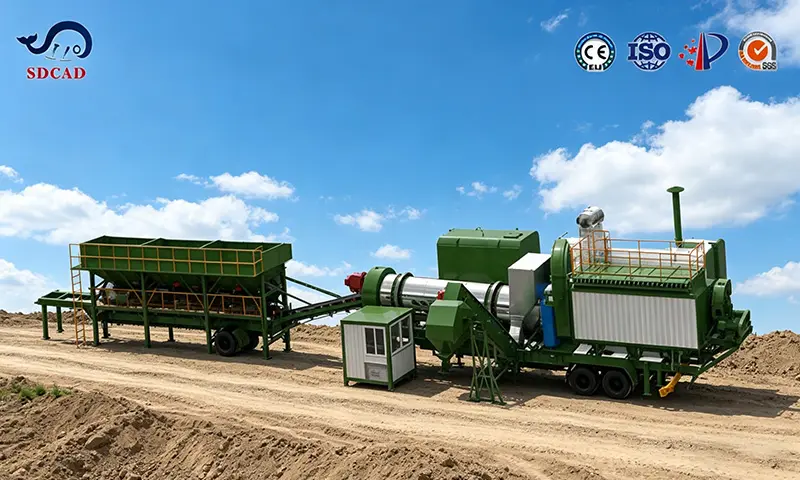
Mobile Asphalt Mixing Plant

Mobile Asphalt Mixing Plant

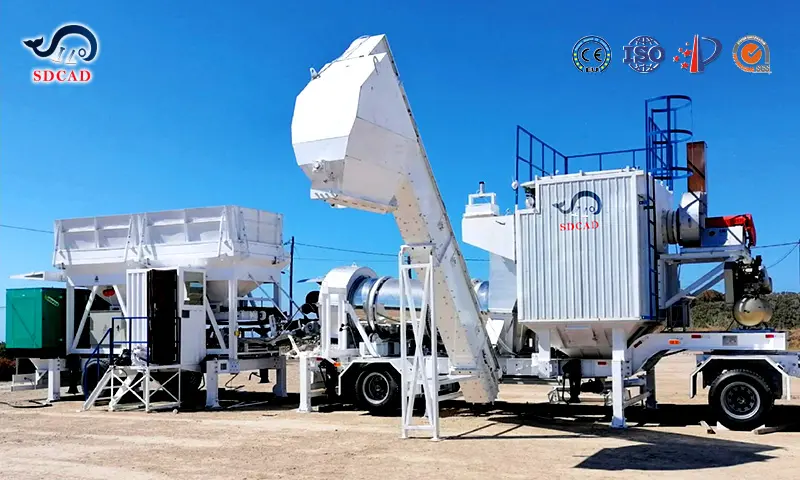
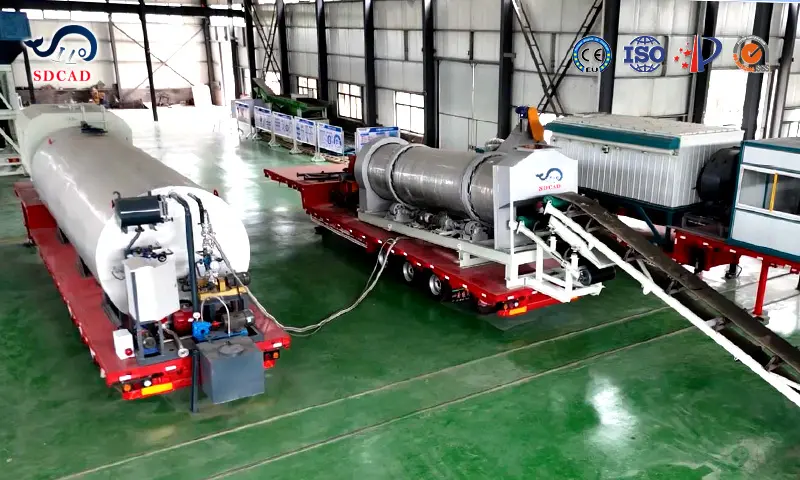
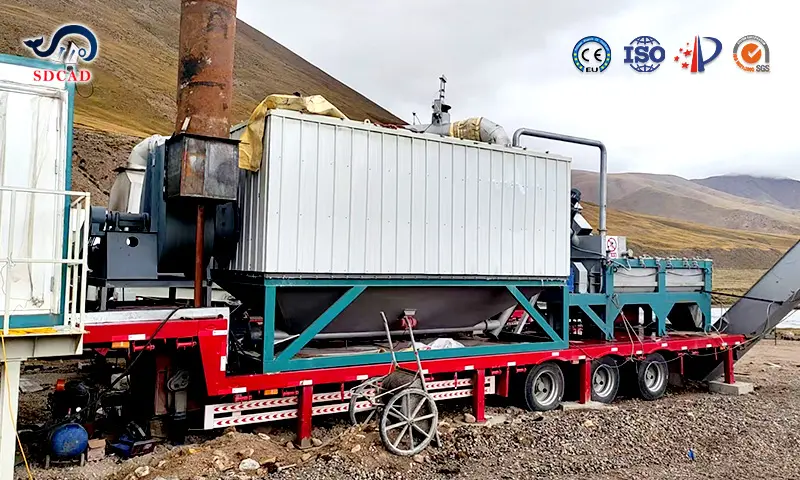
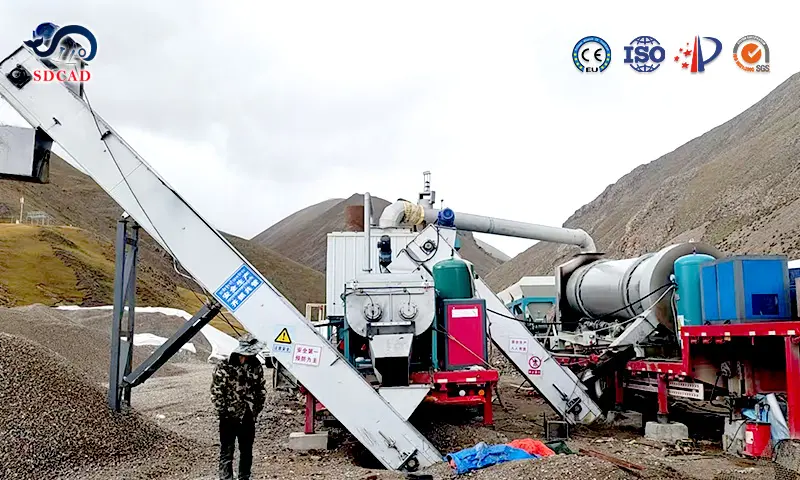
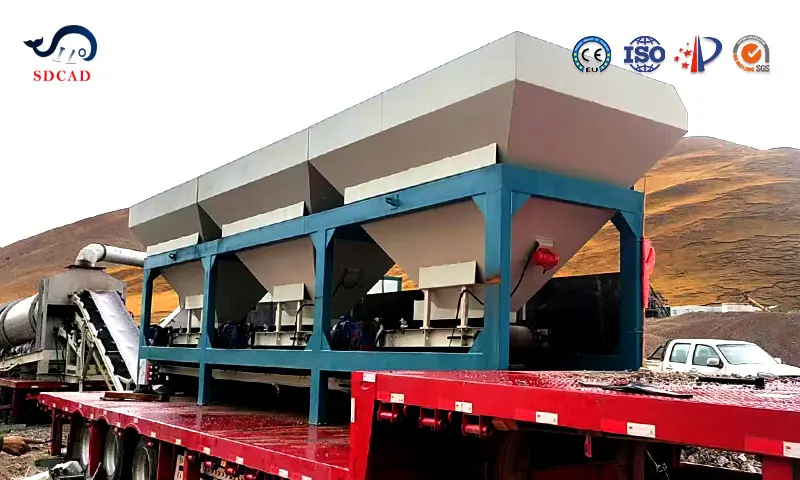
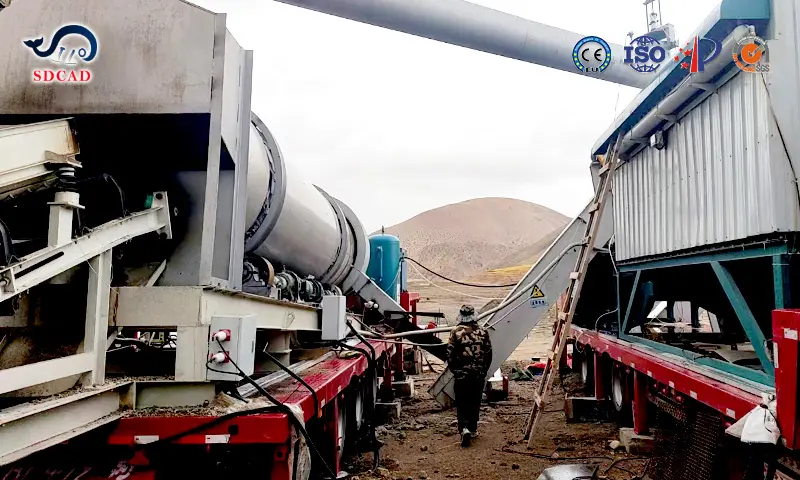
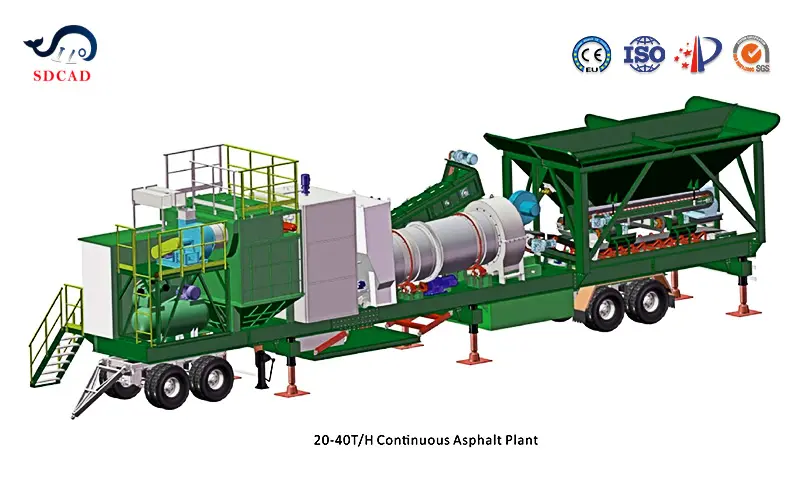
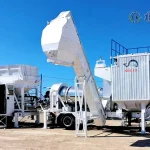
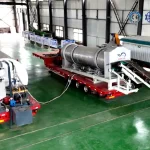
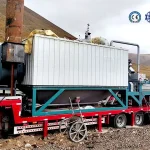
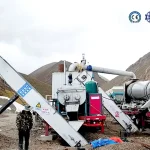
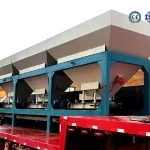
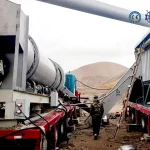
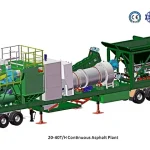
Mobile asphalt mixing plants produce asphalt on-site, cutting transport distance and enhancing mix temperature control, from small repairs to large highways in various regions and conditions. They integrate essential parts like cold aggregate bins, drum or batch mixers, bitumen tanks, dust collectors, and control systems into a concise moveable system.

Product Capacity: 40t/h ~ 120t/h
Highlights:

On-site production, better temperature control, less transport; Continuous & stable mixing output; Mobile design, fast setup & relocation; Energy-efficient drying & mixing system.

⚒️ISO, CE, EAC     ⚒️12-month Warranty     ⚒️7*24H Response

Key attributes

Voltage 220V/380V-50HZ or customize Core Components PLC, Gearbox, Motor, Pressure Vessel, Gear, Pump
Warranty 1 Year Machinery Test Report Provided
UNIQUE SELLING POINT Rapid Assembly Video outgoing-inspection Provided
Brand Name SDCAD Dimension(L*W*H) 17m*37m*5.5m
Place of Origin Taian Power(W) 63.55kW – 226kW
Weight 70000 kg Mixing Type Hot Drum Mixing
Type Super Mobile Assembly Rapid (only several hours are needed)
Foundation No Foundation Required Fuel Consumption 6.5kg/t
Control system Manual Button Color Customizable
Function Road Construction Mixer capacity 40t/h – 120t/h
Service 7*24 Technical Services

What is a Mobile Asphalt Mixing Plant?

A mobile asphalt mixing plant is a plant for producing hot-mix asphalt directly at or near a project site. It mixes aggregate, bitumen, and filler in a controlled manner so road crews can lay down highways, city streets, or small access roads without depending on remote, stationary plants.

As opposed to a stationary asphalt plant, a mobile unit is constructed on one chassis or a few small modular frames that can be transported by towing or lifting. This trims setup time, minimizes permanent foundations and makes it simpler to cater to multiple mid-size projects back-to-back instead of one long-term jobsite. The process steps remain nearly identical to a fixed plant. Aggregate feeding, drying, mixing and blending occur, however, the layout is compacted and engineered for rapid installation and teardown.

Mobile asphalt mixing plants are commonly classified by their mobility and mixing type. From a mobility perspective, they can be classified by migration traits, like fully single-chassis plants that migrate as one unit or modular container-style systems that break down into multiple skids for higher capacity projects. From a production angle, there are two main types: drum type, which is continuous, and forced type, which is batch or discontinuous. Forced mobile plants have nearly the same components and workflow as fixed asphalt plants, which include mixers, elevators, and more complex controls. Drum units emphasize simpler, continuous flow with fewer modules.

Quality Certifications

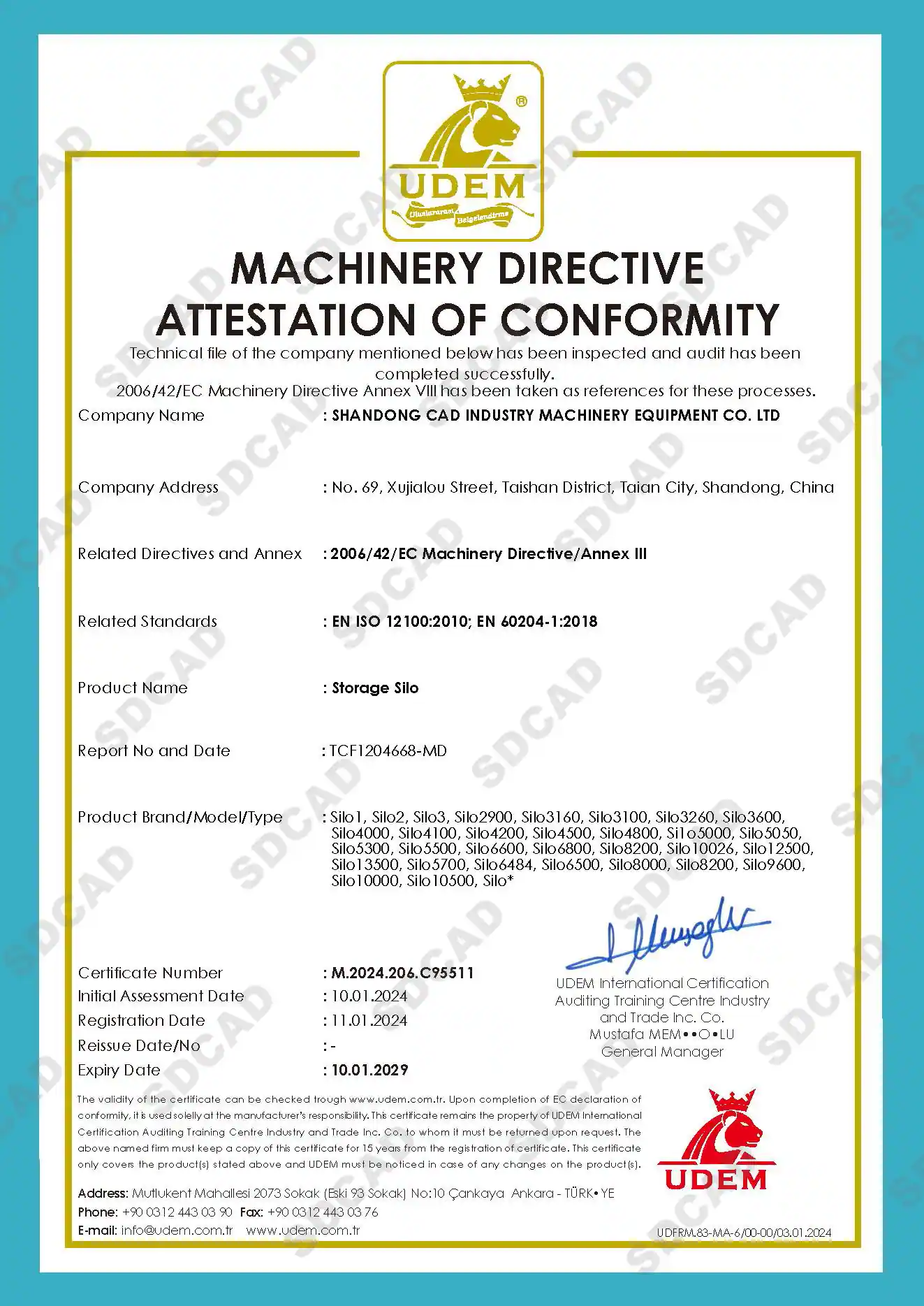
CE Marking Certification

CE Marking

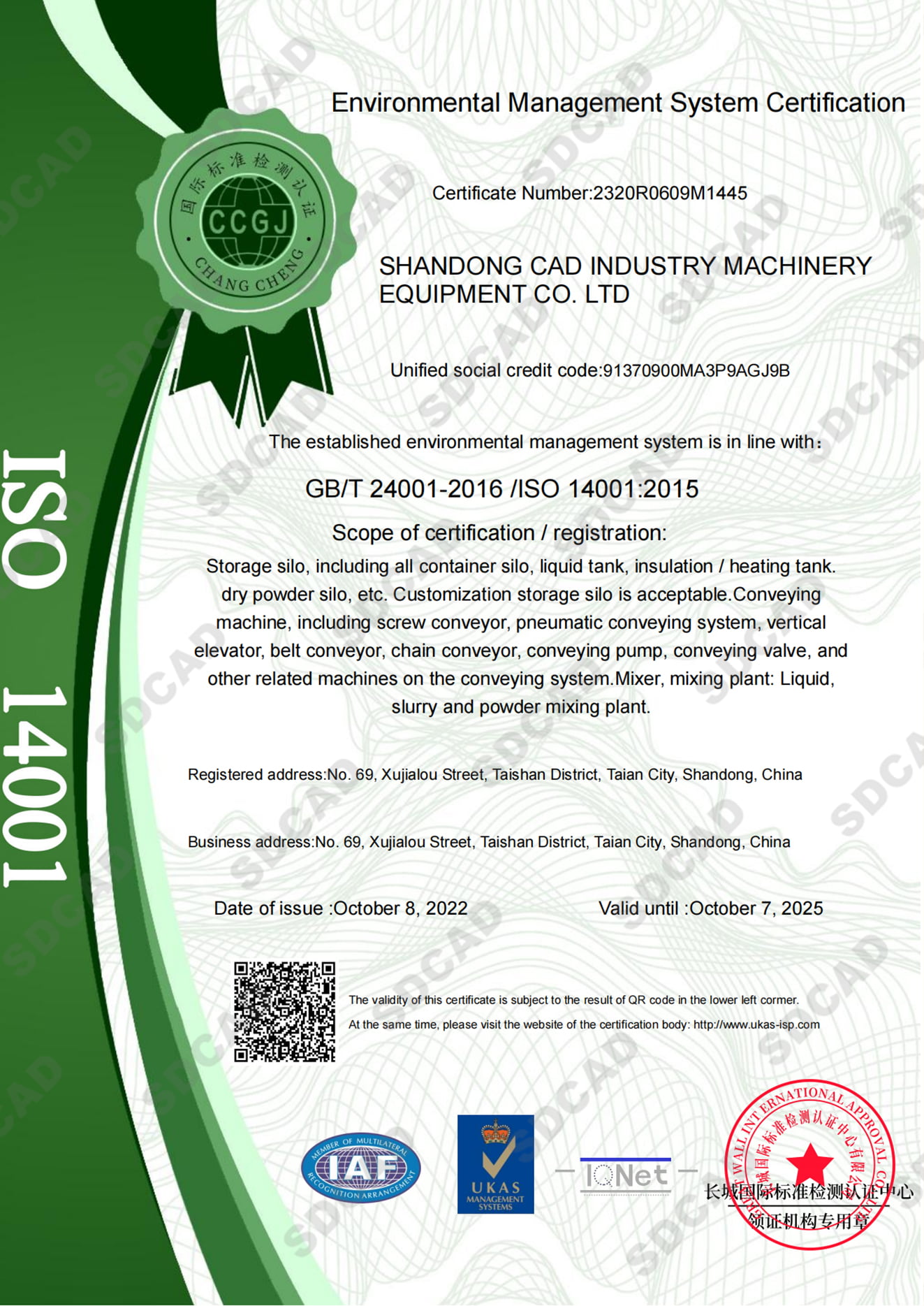
ISO-Environment

ISO-Environment

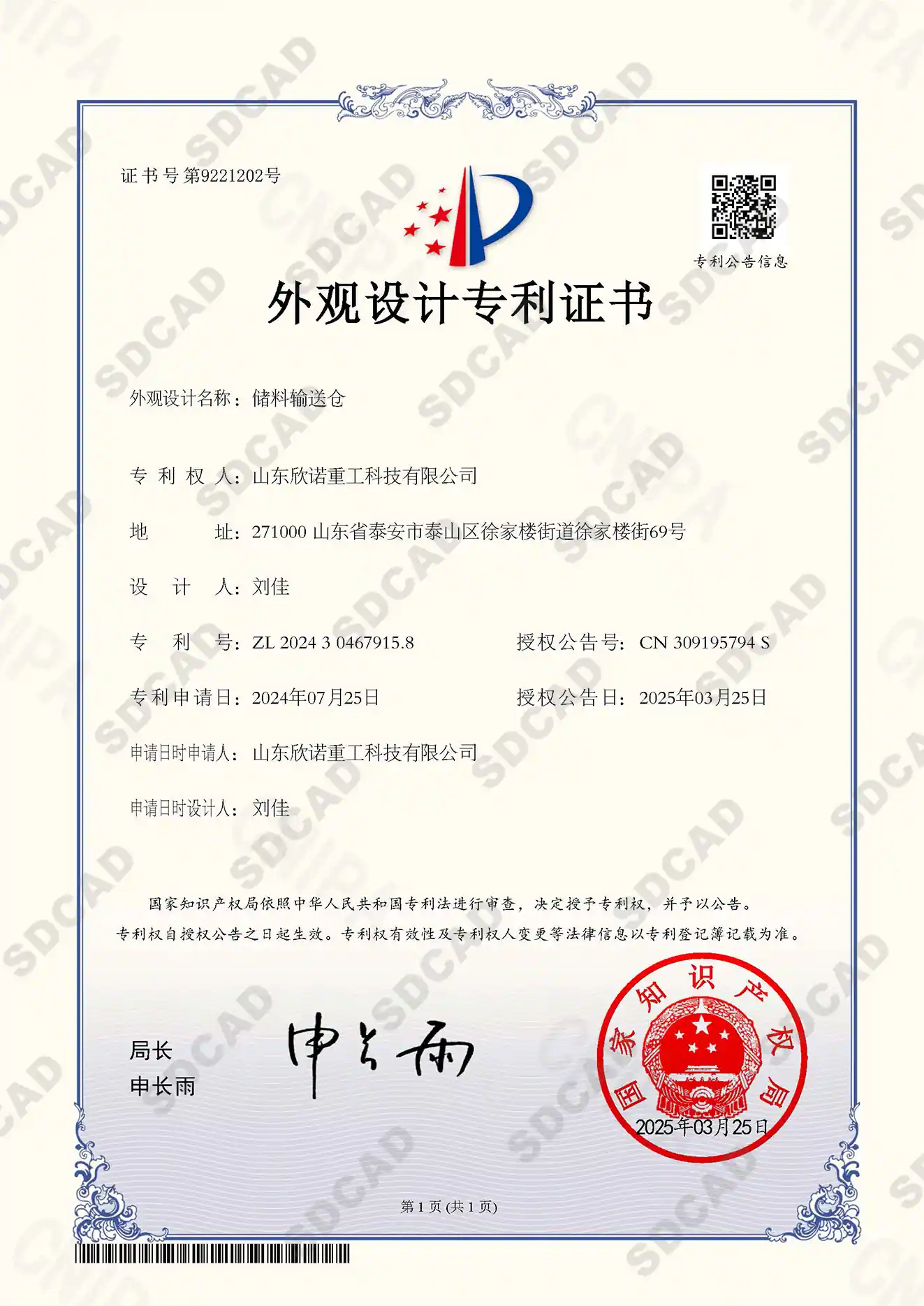
Patent Certificate

Patent Certificate

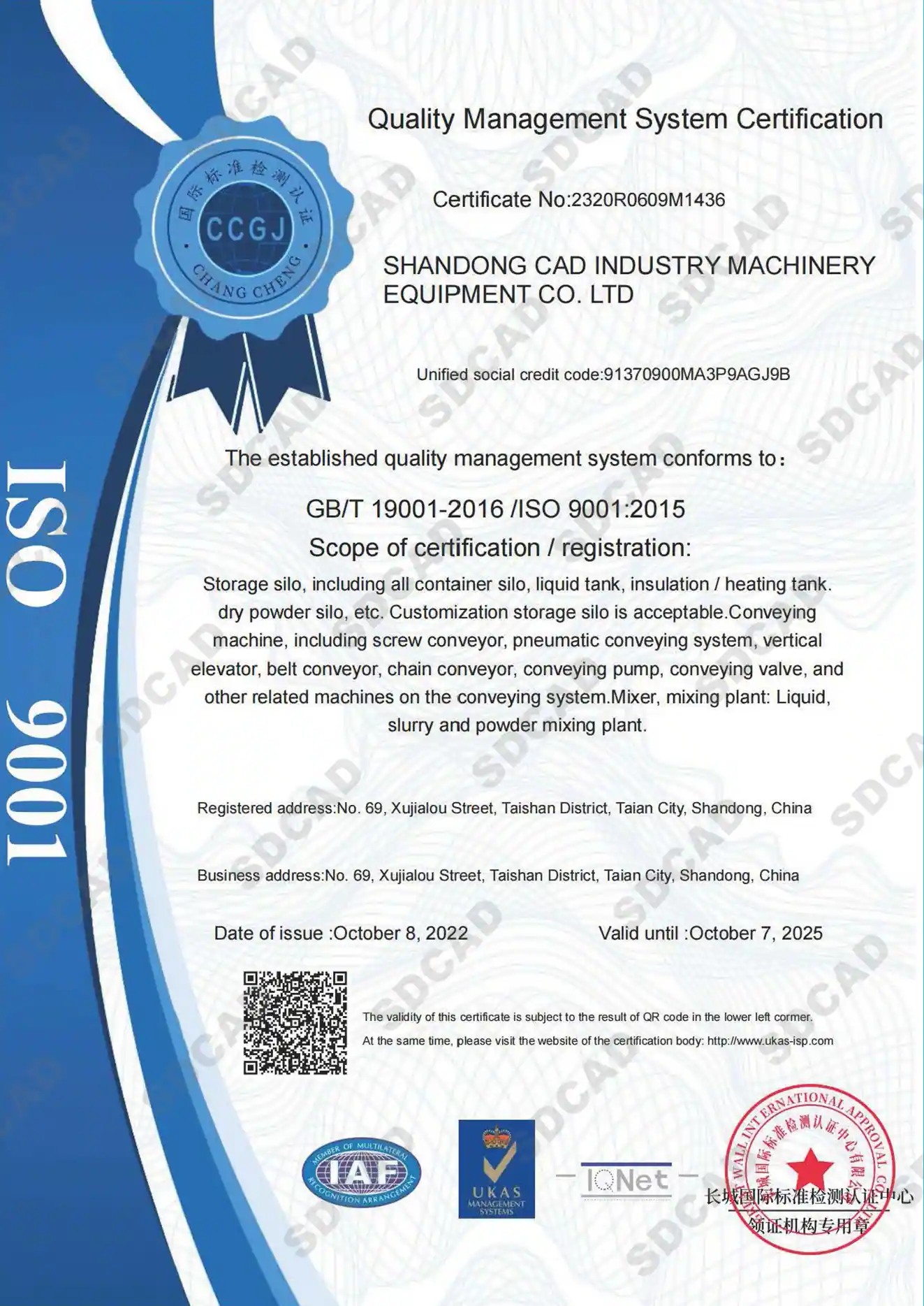
ISO 9001:2000 Quality Management Certification

ISO 9001:2000

Frequently Asked Questions

How does a mobile asphalt plant differ from a stationary plant?

Mobile plants are easy to transport and quick to set up. They are appropriate for small or dispersed projects. A stationary plant is anchored in one place and is ideal for high-capacity, long-term production. Mobile plants provide flexibility, while stationary plants provide higher capacity and stability.

What projects are best suited for a mobile asphalt mixing plant?

Mobile asphalt plants have been the first choice for road repair, rural roads, small and medium highways, airport runways, and temporary paving sites. They’re particularly handy when your projects are located a good distance from fixed plants, cutting down the distance materials must be hauled and increasing the freshness of the mix.

What factors should I consider when choosing a mobile asphalt plant?

Key considerations are your production capacity needs, fuel type, mobility requirements, mixing technology, emission controls, and automation capabilities. Verify after-sales service, spare parts availability, and local environmental conformity to securely operate longer.

How do I choose the best site for installing a mobile asphalt plant?

Choose even, solid ground with safe truck and loader access. Allocate sufficient space for storage of aggregates and bitumen. Maintain distance from residential areas, comply with environmental policies, and arrange for appropriate drainage and dust collection.

What safety practices are essential when operating a mobile asphalt plant?

Train operators, adhere to the manufacturer’s manual and conduct daily inspections. Wear PPE. Maintain hot zones and protect moving parts. Keep traffic lanes clear, ensure emergency shut downs are functional, provide fire protection, and perform regular maintenance to avoid accidents and unplanned downtime.