Project Flexibility
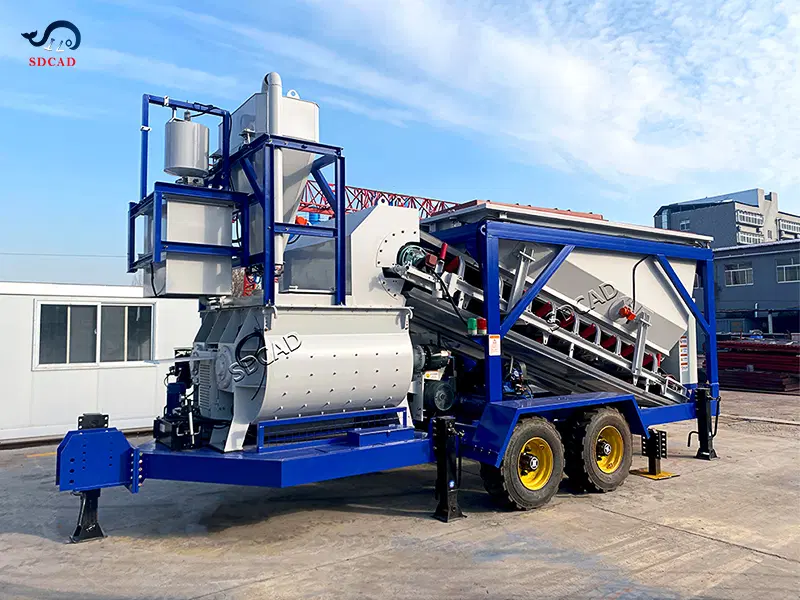
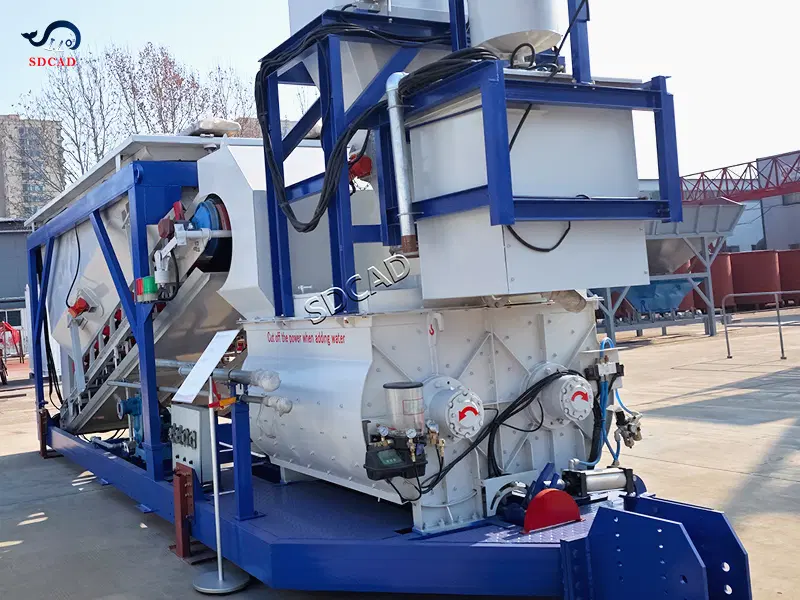
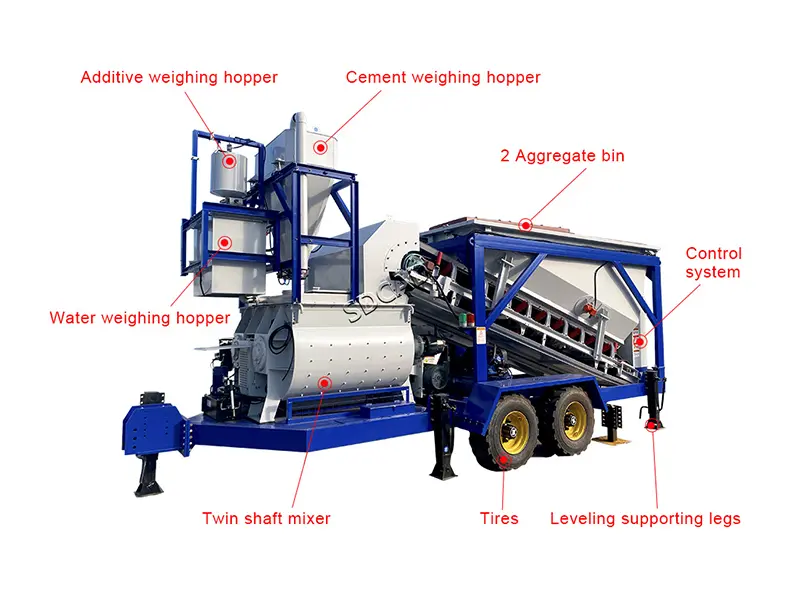
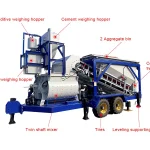
Mobile concrete batching plants are designed to easily be relocated from jobsite to jobsite. This assists crews pivot fast when a project pivots or a new gig begins. With customizable configurations, these plants cater to a variety of requirements, such as a hectic metropolitan construction project or a country road repaving.
They work just as well for a small business as for a big contractor. A few firms use them for temporary work, such as a bridge or new housing block, but others may use them for perpetual work. The power to tailor the plant arrangement to the job’s scale and requirements assures that users aren’t throwing away money or effort.
Key operational advantages include the speed with which crews can react to immediate needs, such as repairing a road after flooding or responding to an aggressive new school deadline. With a mobile plant, crews can begin producing concrete within DAYS — not weeks — gaining them an actual advantage.
Cost Efficiency
Generating concrete on-site eliminates a lot of the expense associated with transporting material from a remote batch plant. That reduces shipping costs and cuts fuel consumption, which is environmentally friendly. There’s less chance of concrete setting before it gets poured, so less material goes to waste.
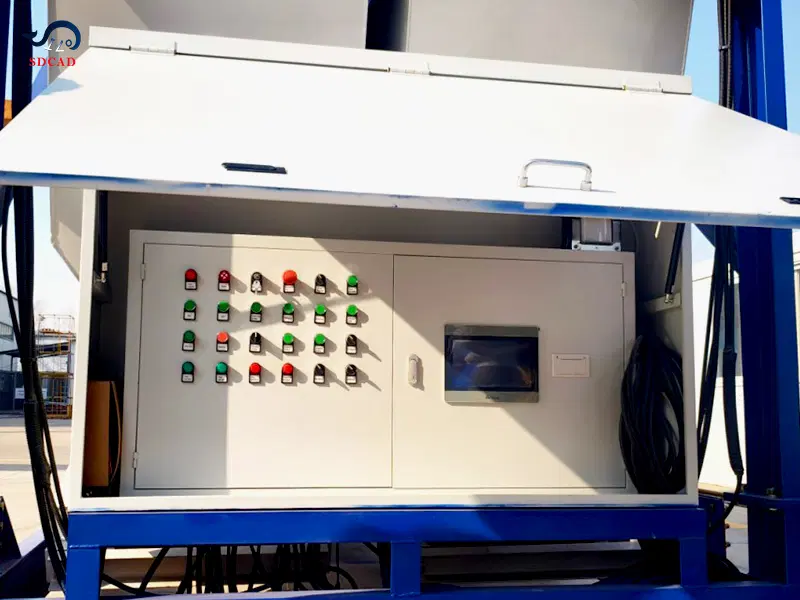
Owners experience savings in both daily and lifetime expenses. Automation requires fewer workers and this cuts wage bills. Producing only the amount of concrete necessary keeps costs in line, and in the long run, the reduced waste leads to significant savings for the company.
Small business owners see the upfront investment of a mobile plant pay off. They bypass exorbitant fees for ready-mix concrete and they can do jobs in locations that fixed plants can’t access.
Rapid Deployment
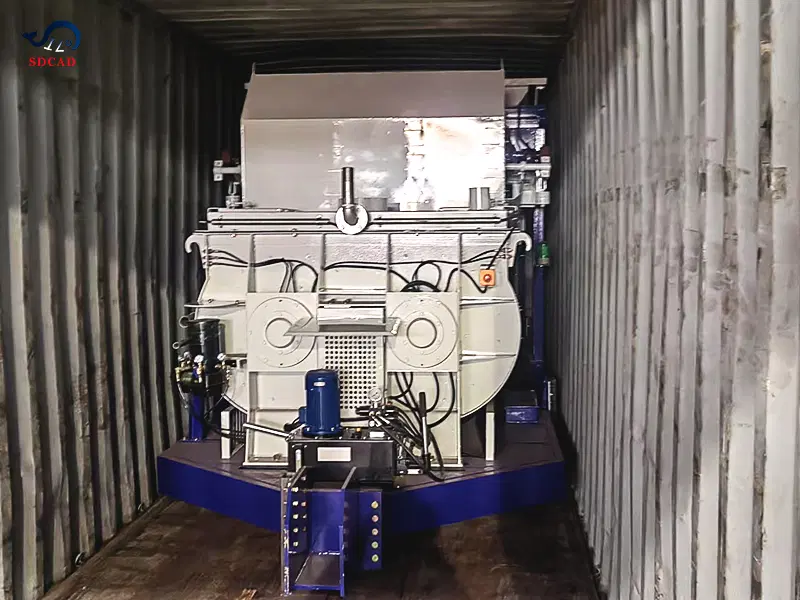
The majority of mobile concrete batching plants can be operational within 2 to 3 days of commissioning. Teams can begin producing concrete immediately without having to wait for a fixed plant to be available. Transport is easy and typically requires only a truck or trailer.
This rapid pace assists in satisfying aggressive project deadlines. When a job comes up at short notice or a backlog somewhere demands rescheduling, the plant can shift and restart nearly immediately. This really matters in emergencies or post-disaster situations when timing is crucial.
Faster installation implies less downtime and less downtime implies more work accomplished in less time. That potentially leads to greater margins, more projects completed, and more client responsiveness.