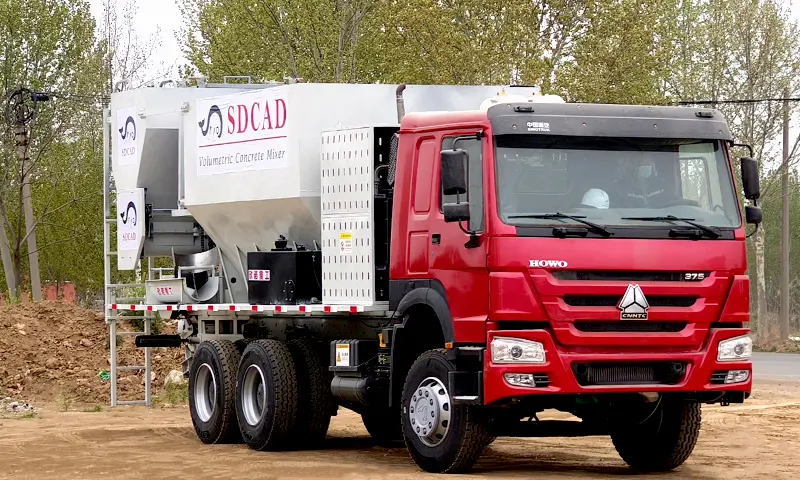
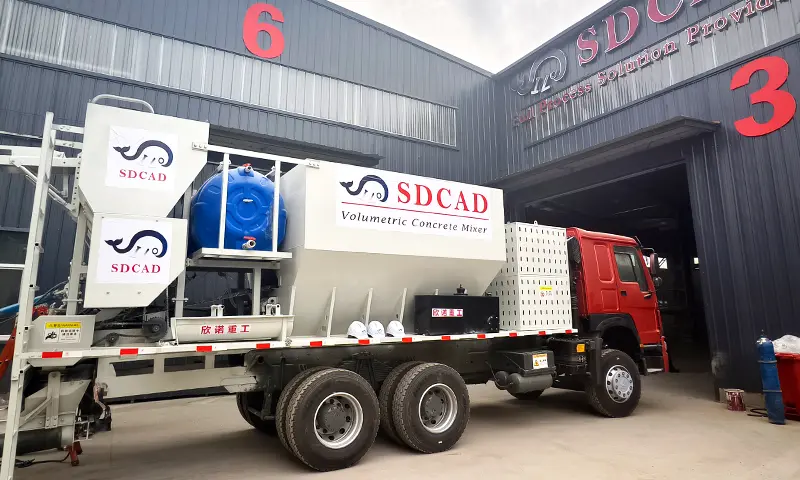
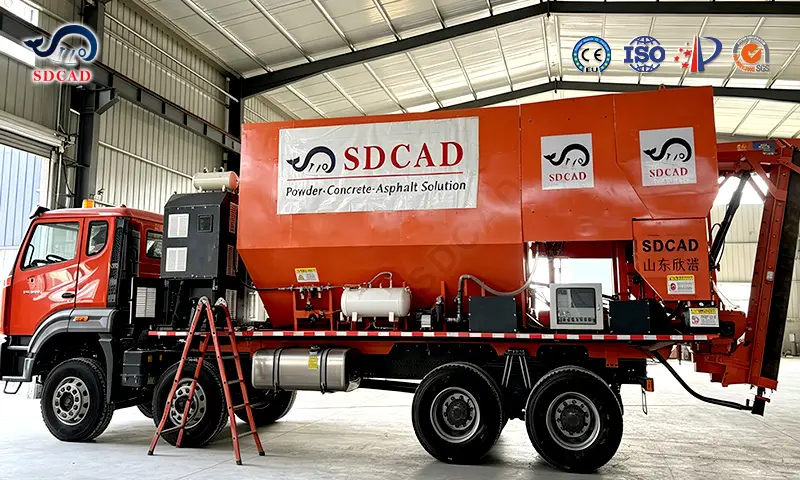
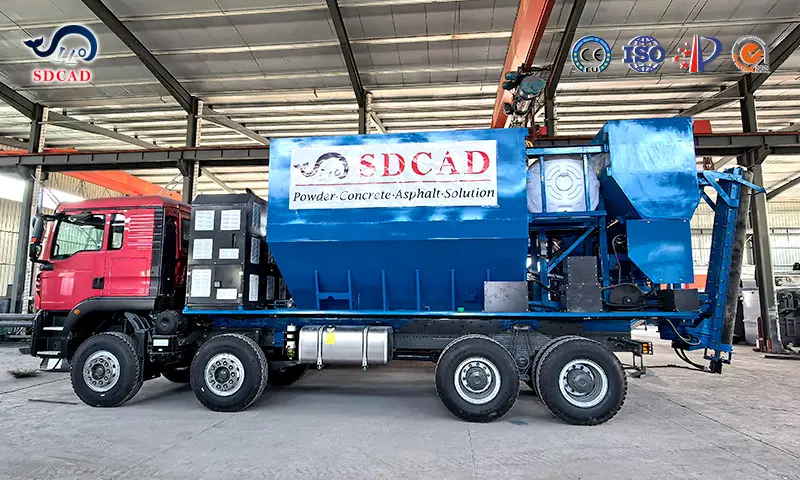
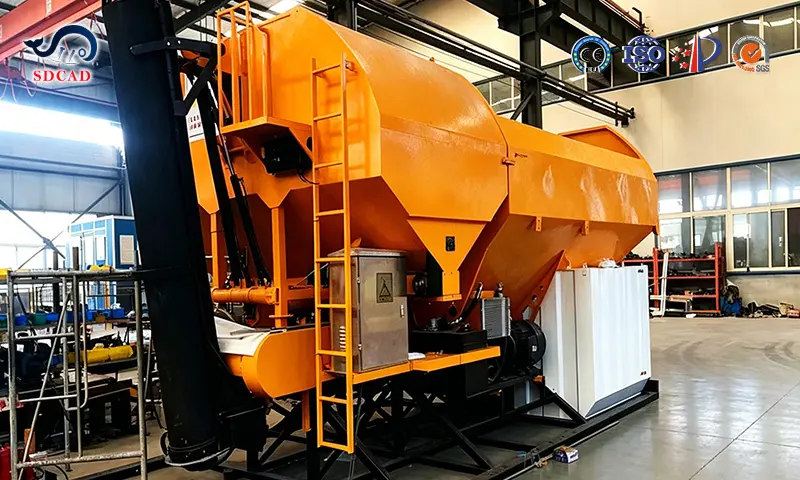
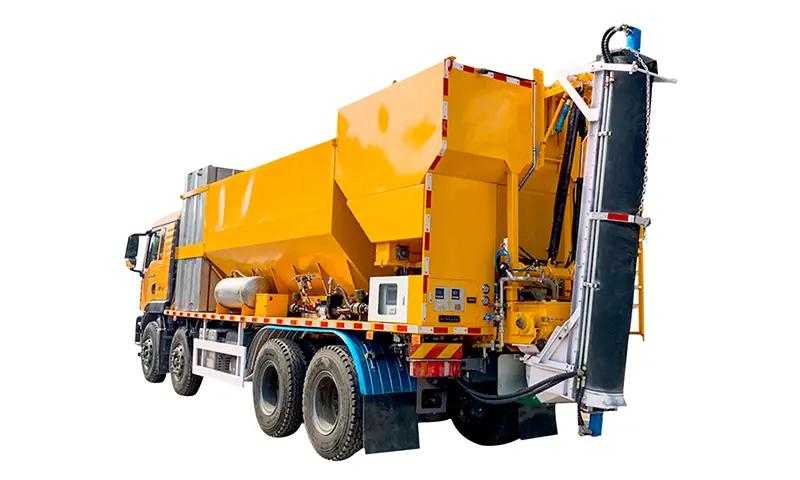
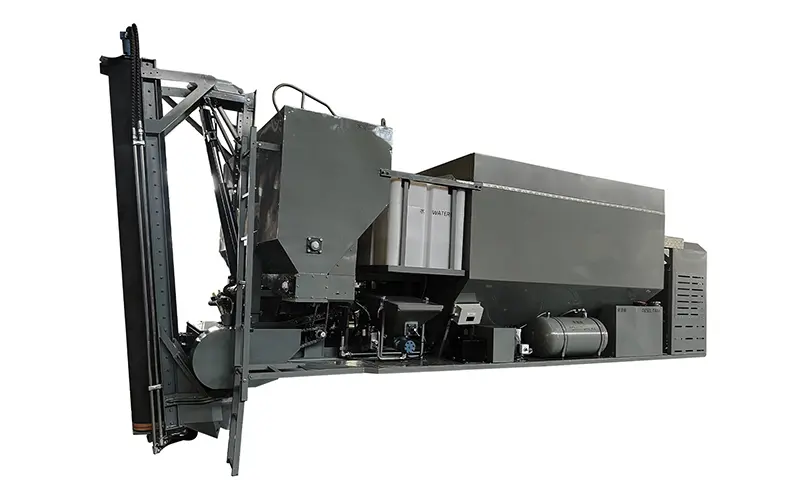
Volumetric concrete batching plants perform on-site material mixing to provide precise control over concrete quality and minimize waste. They have segregated storage for the ingredients, computer controls to mix in the right amounts, and on-the-fly adjustments to make sure each batch fits your project requirements.
1. Material Storage
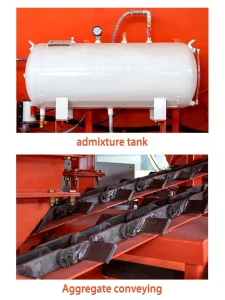
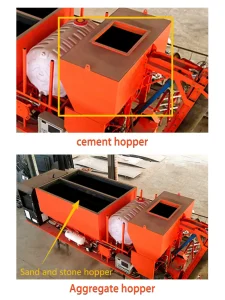
Each plant stores the cement, sand, gravel, and water in separate bins to prevent contamination. This arrangement keeps each material clean and in a ready condition. Storage is sometimes covered or climate controlled to prevent moisture from clumping cement or dust mixing with sand. Proper storage maintains the freshness of the raw materials and the integrity of the concrete mix. Smart material handling, such as inbuilt conveyors and closed hoppers, transfers materials with reduced spillage or contamination. Bin inspections catch blockages or leaks early, keeping the operation smooth.
2. Proportional Feeding
Sensors in the batching plant monitor the flow of each material and alter the feed rate to align with the predetermined mix ratio. This maintains the concrete mix within design limits. Automated feeding implies the system requires less manual intervention, reducing the likelihood of errors and rendering each batch more uniform. By using only what it needs of each material, the plant consumes less raw material and reduces waste. This is crucial when small or custom batches are required for various projects.
3. Continuous Mixing
Continuous mixing indicates that the raw materials are combined while in transit through the mixer rather than batch by batch. This works well for large builds where consistent supply is important. The drum whirls at a high rate of approximately 60 to 90 seconds so each load is mixed in the same fashion, making the output consistent. Certain mixers allow the operator to adjust the speed, which can be useful for meeting the requirements of various projects or mixes. This means less downtime because the mixer can continue mixing rather than pausing and restarting for each batch.
4. On-Demand Discharge
On-demand discharge enables crew to pour concrete only when and where it is needed. This allows them to time deliveries to project schedules, which is good for jobs that require small or variable volumes. This precise control of discharge quantity reduces waste, as only the amount required is poured. This is beneficial for rapid set applications, where timing matters.
5. Real-Time Control
Real-time control systems closely monitor the entire mixing process and can adjust the mix if necessary. They can tweak mix designs on-the-fly if project needs evolve. Data analytics tools help track production rates and quality, making small changes to boost output and keep standards high. These allow field crews and plant operators to communicate and exchange updates, keeping everyone aligned.