Back
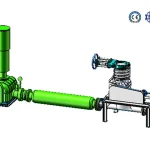
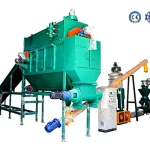
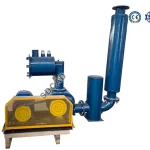
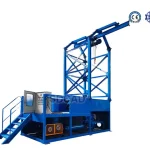
Pneumatic Conveying System | Powder Particle Conveyor

Pneumatic Conveying System | Powder Particle Conveyor

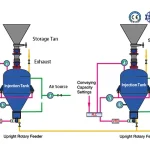
Forms of Pneumatic Conveying: Dilute phase and dense phaseTypes of Pneumatic Conveying: Pressure type and vacuum type

Application Scope: Cement, fly ash, starch, sugar, salt, sand, plastic pellets, oats, polymer materials, lime, soda ash, plastic resin, plastic powder, dry milk, feedstuff and more

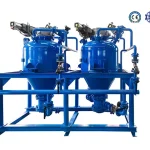
We offer dilute phase or dense phase conveying options tailored to on-site working conditions and material characteristics. It features a conveying distance of within 1000 meters and a maximum conveying capacity of 100 tons per hour, delivering stable, efficient and customized bulk material conveying solutions for industrial scenarios.

Quality Certifications

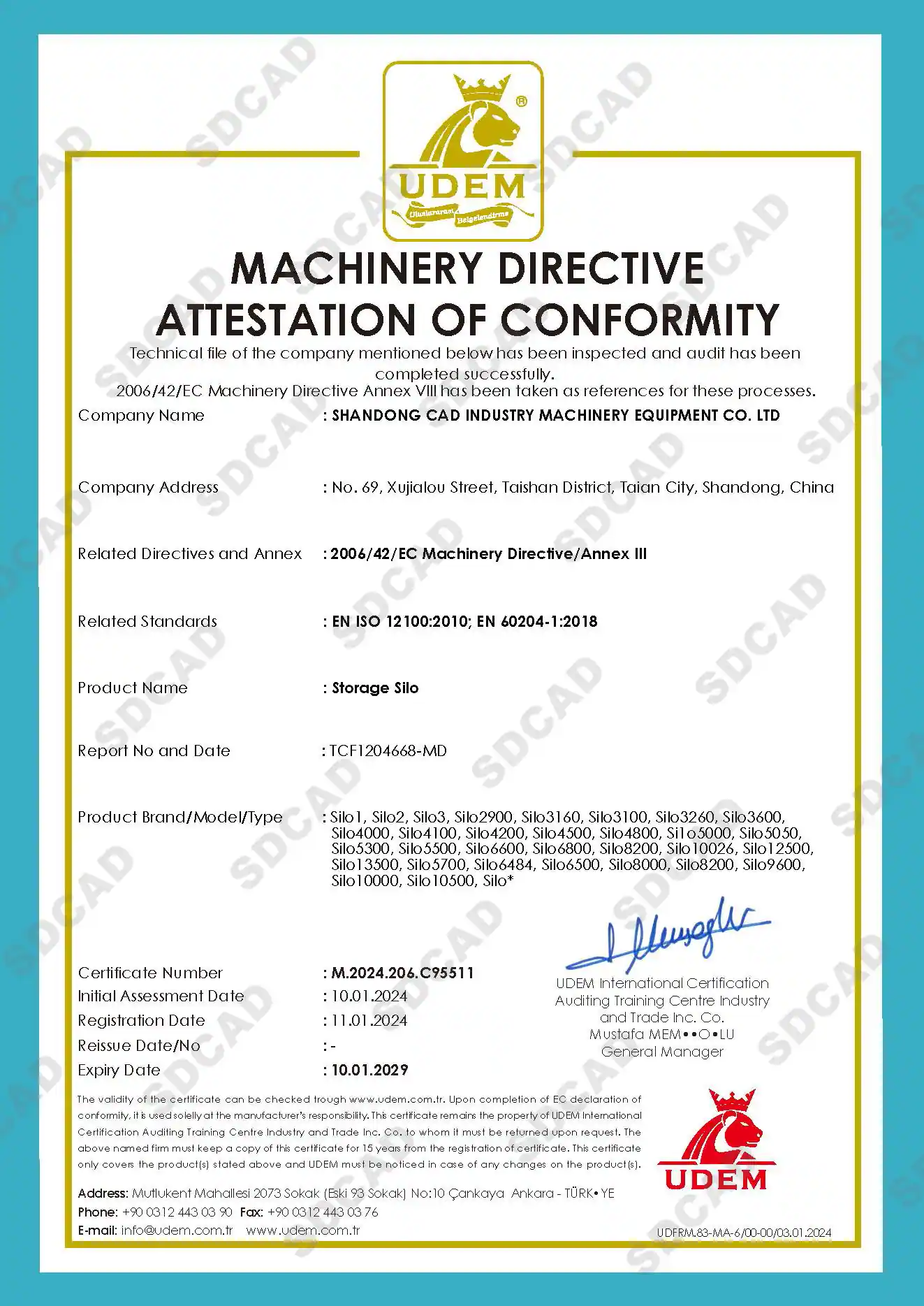
CE Marking Certification for industrial machinery

CE Marking

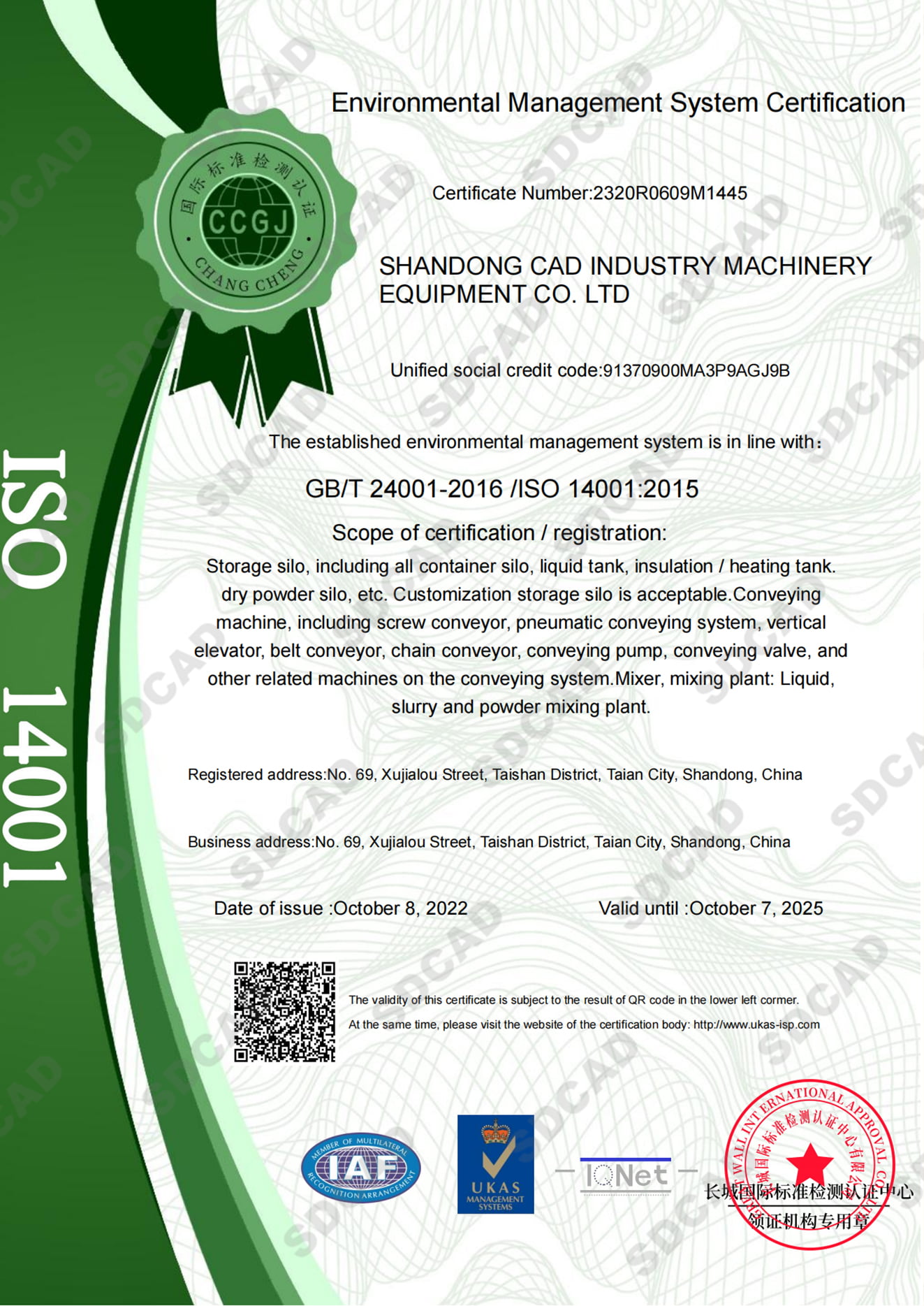
ISO Environmental Management Certification

ISO-Environment

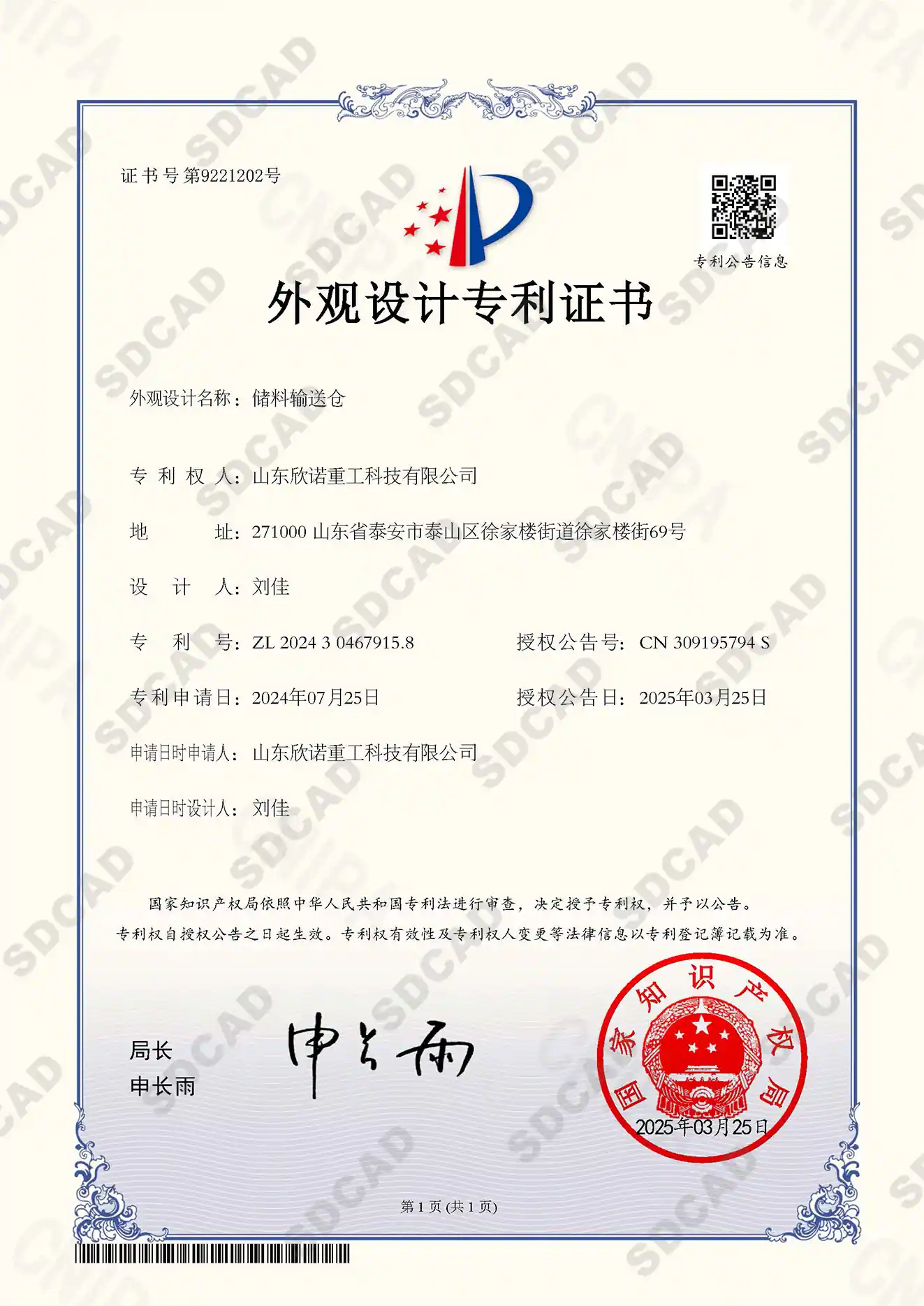
Patent Certificate for storage and conveying silo design

Patent Certificate

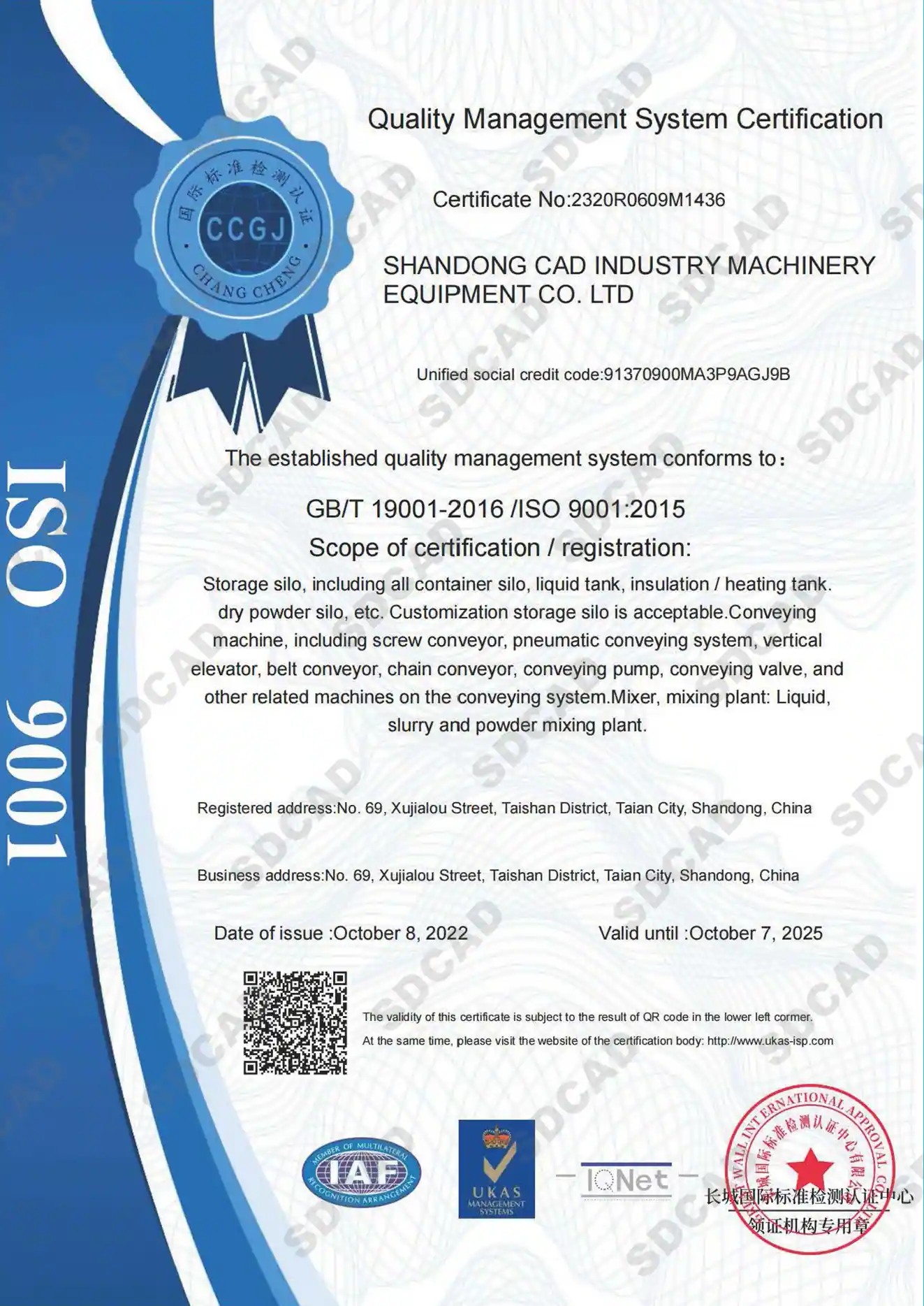
ISO 9001:2000 Quality Management System Certification

ISO 9001:2000

Submitting...

LONG-DISTANCE CEMENT CONVEYING

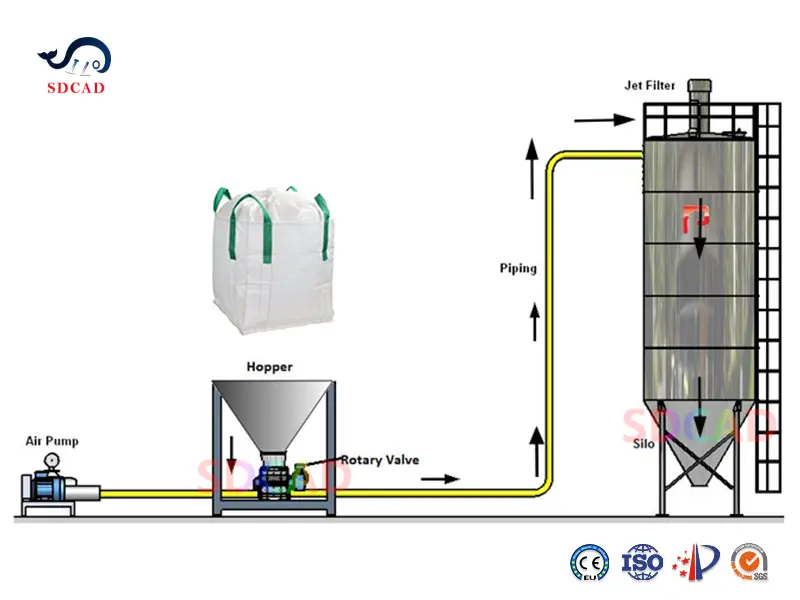
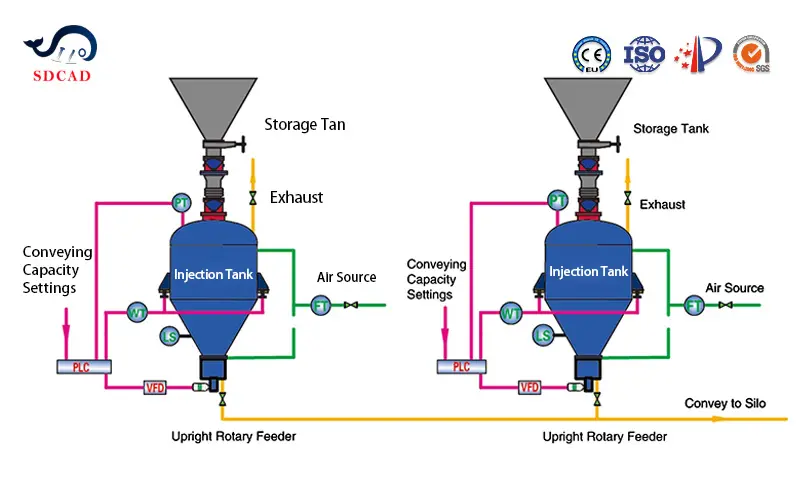
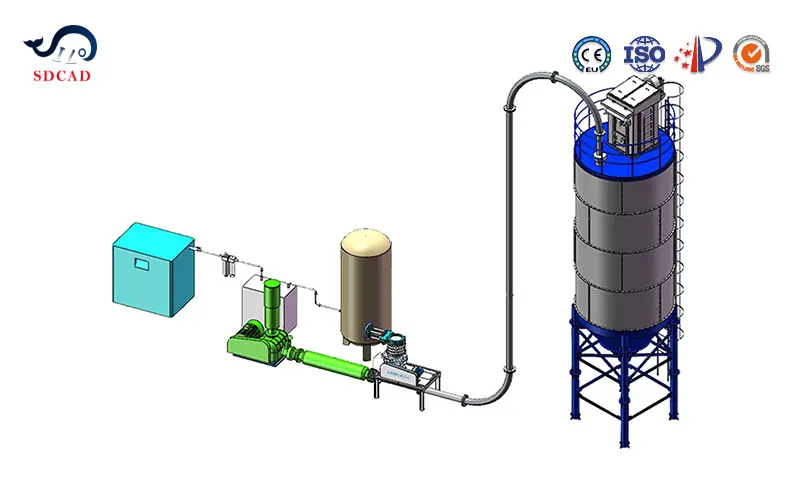
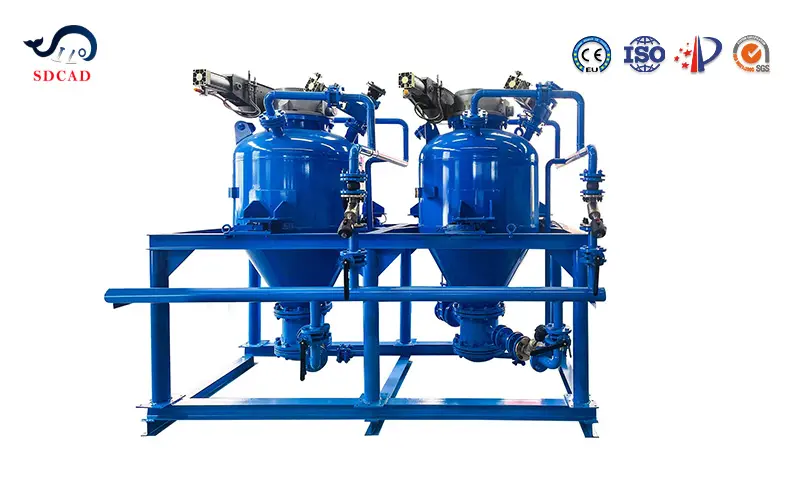
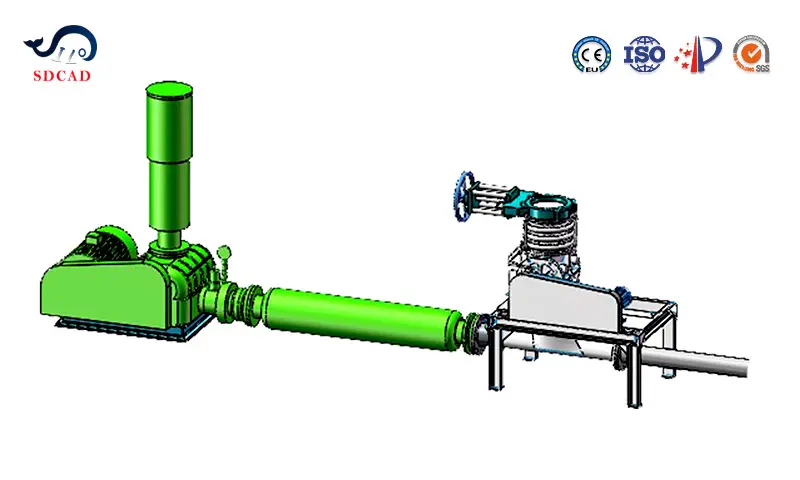
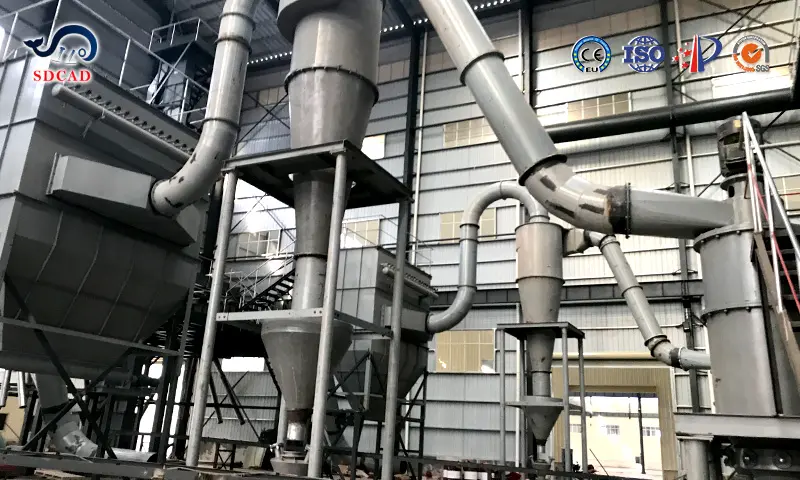
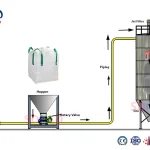
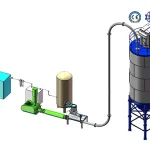
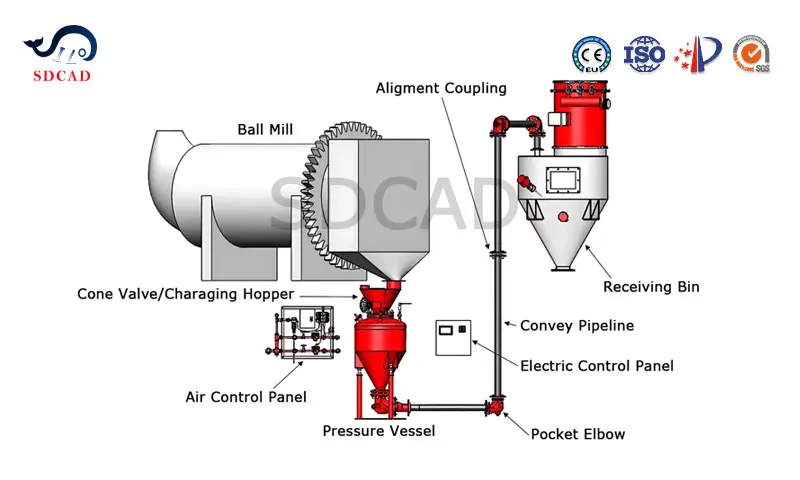
Tailored for long-distance transportation of cement and other fine powder materials, the dense phase pneumatic conveying system can be easily installed to replace traditional screw pump conveying equipment.
It only needs low-power compressors to run, effectively cutting energy consumption compared with conventional conveying solutions. Featuring simple structure and strong adaptability, this system is easy to deploy and cost-effective for conveying cement and various construction raw materials.
Dense phase conveying boasts lower air consumption and requires smaller exhaust fans. Meanwhile, the low-speed material conveying mode greatly extends the service life of conveying pipelines.

Pneumatic Conveying System Services We Offer

• We can design bag-breaking devices for customers using ton bags
• We offer testing services for customers’ special materials
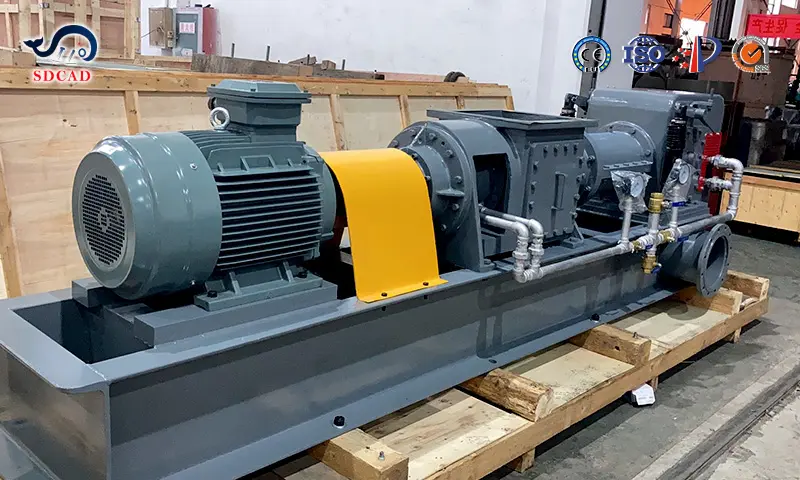
• For positive-pressure dense-phase conveying, we can provide screw air compressors
• We can design comprehensive solutions covering the entire process—from feeding, weighing, conveying, and mixing to packaging
• We provide professional turnkey services ranging from design to installation and commissioning
• We offer a variety of materials, including carbon steel and stainless steel, based on material characteristics and processing requirements
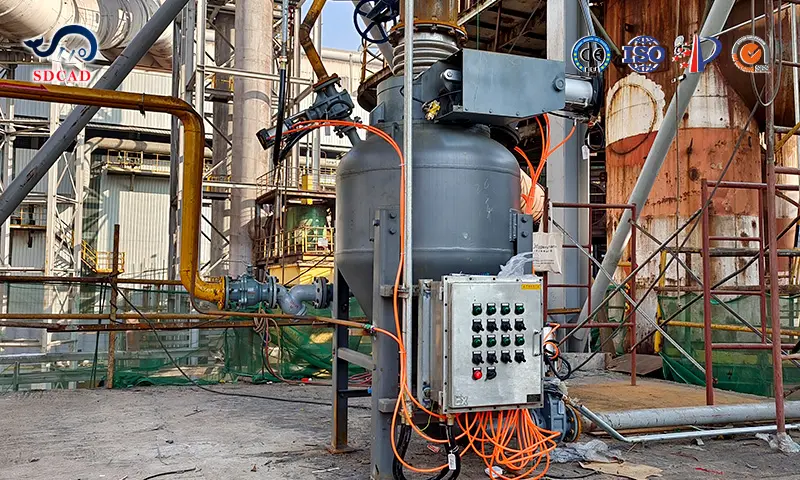
• All electrical components are explosion-proof


CONTACT US NOW TO GET A QUOTE
Frequently Asked Questions

1. What types of materials are suitable for pneumatic conveying?
Pneumatic conveying is suitable for powders and granular materials with good flowability, such as cement, fly ash, lime powder, table salt, flour, plastic pellets, and chemical powders. The specific solution must be determined based on the material’s density, particle size, and moisture content.
2. What is the difference between positive-pressure and negative-pressure conveying?
Positive-pressure conveying uses compressed air to push the material to its destination and is suitable for long-distance conveying; negative-pressure conveying uses vacuum suction to transport the material and is better suited for multi-point material collection and applications where dust leakage must be prevented.
3. What is the maximum conveying distance?
Depending on the material properties and conveying method, pneumatic conveying distances can range from tens of meters to hundreds of meters. For large-scale projects, we can achieve stable conveying over even greater distances through system optimization.
4. Does the conveying process damage the material?
For fragile particles or special materials, we can use low-speed dense-phase conveying technology to minimize collisions between the material and the piping, thereby reducing breakage rates and ensuring product quality.
5. Is the energy consumption of a pneumatic conveying system high?
The system’s energy consumption primarily depends on the conveying distance, conveying volume, and material properties. Through proper equipment selection and optimized design, energy consumption can be effectively reduced, and overall operational efficiency improved.
6. Are pipeline blockages common?
Under normal circumstances, pipeline blockages do not occur, unless the conveyed material is changed arbitrarily and the material is highly viscous and prone to sticking to the pipe walls; however, such situations are extremely rare.
SDCAD effectively prevents pipeline blockages through scientific pipe diameter design, reasonable air-to-solid ratio calculations, and an automatic control system. Additionally, the system can be configured with material blockage alarms and automatic protection functions.